BEST VIEWED IN LANDSCAPE MODE ON MOBILE DEVICES
U.S.FTC GUIDELINES PLEASE NOTE: we act as an affiliate for several companies that feature on our website. In some cases we may earn a commission from referrals to those companies. For further information please refer to our Privacy and Disclaimer policies which can be found in the "US" tab.
U.S.FTC GUIDELINES PLEASE NOTE: we act as an affiliate for several companies that feature on our website. In some cases we may earn a commission from referrals to those companies. For further information please refer to our Privacy and Disclaimer policies which can be found in the "US" tab.
New Zealand Northland, in New Zealand's subtropical far north, is the birthplace of the nation. It is a region rich in history and culture. Here, the modern New Zealand nation was founded when Maori and Europeans came together to sign the Treaty of Waitangi in 1840.
New Zealand Northland - A Must See
No visit to New Zealand's North Island would be complete without
spending some time in the aptly named Northland (check out our upper
North Island
itinerary
).
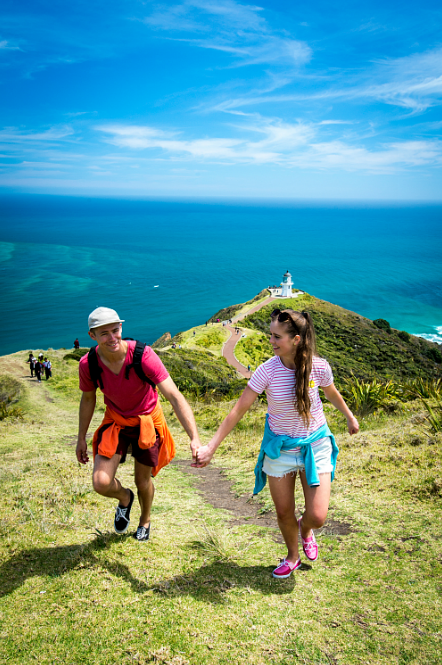
Stunning bays and beaches, amazing Maori cultural experiences and a great climate make Northland one of the most popular New Zealand regions.
It's one of our favorite North Island regions and the welcoming nature of the locals, combined with a great variety of things to see and do make it a must see on your North Island holiday.
Northland is located north of New Zealand's largest city, Auckland.
There are three main areas in New Zealand's Northland - the east coast, west coast and top of the north, all offering a wide range of water and land based activities.
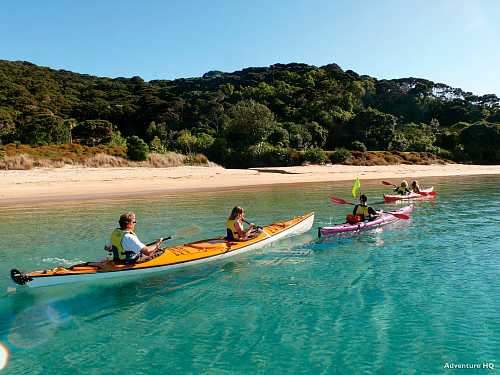
The historically significant east coast, which includes the popular Bay of Islands, is famed for white sand beaches and abundant marine life.
Off the Tutukaka coast, Poor Knights Islands marine reserve has some of
the world's best sea dives.
The Waipoua forest, on the west coast, is New Zealand's largest kauri
forest.
A short walk into Waipoua forest takes you to some of the oldest
and largest living kauri trees, including the famed Tane Mahuta 'Lord
of the forest', and Te Matua Ngahere 'Father of the forest'.
And at the top of the north, the historic lighthouse standing on Cape Reinga, is one of New Zealand's iconic sights.
The region's subtropical climate and proximity to the sea produces abundant citrus fruit and many kinds of fresh seafood.
There are also a range of fine wineries and restaurants which showcase the best of local produce.
Read on to learn more about the region known as the "The Birthplace of the Nation".
Also on this page
There's a lot of information on this page about Northland, so to make it easier for you to find what you are looking for we've included some links to the various spots on the page.
Just click on the appropriate link to read a bout that topic.
Then to return back to here just click on your browsers back arrow.
|
* Getting here to Northland * Here are our best Northland activities * History - the birthplace of a nation * Nature and wildlife in New Zealand Northland |
* Accommodation and a few luxury suggestions * Lots more things to see and do * Some facts about the region * Maps |
Getting here
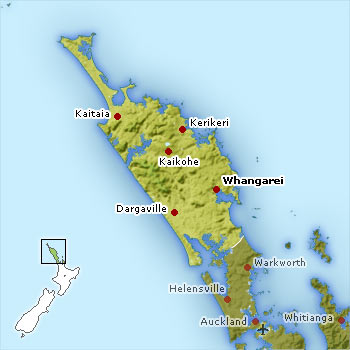
Northland is located north of Auckland, New Zealand's largest city, which is home to the country's major international airport.
Northland's major center is Whangarei, with a population of around 55,000.
Whangarei is around two hours drive from Auckland on State Highway 1.
Paihia (population around 2,000) is one of the main tourist towns, and is around three hours drive from Auckland, also via State Highway 1.
Kerikeri (population around 7,000) is also around three hours drive north of Auckland via State Highway 1 then SH 10.
You can view the major roads on our State Highways map.
Northland's best attractions
Not sure what to see or do in Northland?
Well, we've listened to our customers, and based on their reviews (and our own experiences), here are a selection of our very best things to do in Northland:
Cruise through the Bay of Islands on the original "Cream Trip"
What's the "Cream Trip"?
Well, years ago, the only way that some of the more isolated residents could obtain supplies was from the boat that delivered, among other things, their cream.
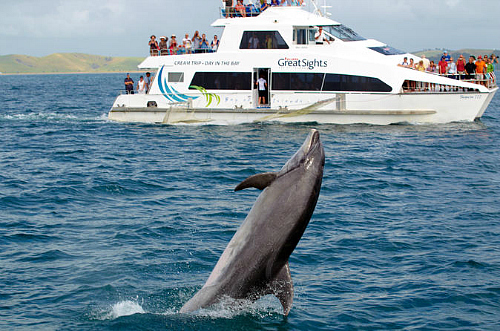
These days the service still operates, and you can be part of it.
Over 7 hours, your cruise takes you through the islands, visiting some amazing bays and beaches, and secluded coves.
Keep your eyes peeled for local wildlife that may include dolphins, whales, seals, marine birds, and even penguins.
Visit Cape Brett and the famous Hole in the Rock.
And if conditions are right, you can even choose the option of swimming with the dolphins.
What an amazing experience!
Around half way through the day the boat pulls in to a secluded island for a one and a half hour stop over, where you'll have ample time to have a wander, a swim, or just laze on the beach.
The experienced guides are full of information on the area's history and wildlife and really contribute to what is a great way to see this gorgeous part of the North Island.
Have a read of some of the reviews and you'll see what we mean (just click on the button below):

Watch oceans collide at Cape Reinga!
Cape Reinga is the northern most point in New Zealand, and it's the exact spot where the Pacific Ocean and the Tasman Sea meet.
It's a sacred place for the Maori people who believe that it's the spot where their spirits depart for their homeland in Hawaiki.
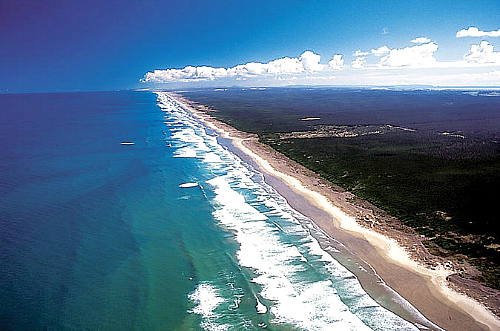
The views are amazing, and when you think that there is nothing but ocean for thousands of kilometers out there, it makes you appreciate the grandeur of the location.
But Cape Reinga is just a part of your wonderful eleven hour day trip to the top of the North Island.
You'll travel along the pristine sands of 90 Mile Beach in a purpose built coach. It's amazing where it can go!
You'll sandboard down huge sand dunes (great fun), and explore ancient Kauri forests, where some of the "residents" are more than 1,000 years old!
You even have a chance to get your feet wet when you help your guide dig for shellfish in the sand!
It's a big day out, but a lot of fun.
Read more about the tour, check reviews, and make your bookings now, by clicking on the button below:

Sail away on the "R. Tucker Thompson"
There can be few better places to sail than in the Bay of Islands.
And the "R. Tucker Thompson" is the perfect way to experience this beautiful part of New Zealand.
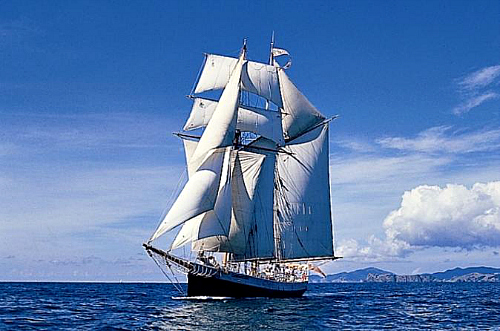
Sit back and relax as this replica of a one hundred year old schooner transports you to some of the most stunning scenery that you can imagine.
Departing from Russell wharf, you are soon out into the calm open waters, guided by the knowledgeable crew, all keen to reveal some gems about the history of the area.
Imagine sitting on deck enjoying the freshly baked morning tea, watching the world casually sail by!
And at lunch time, your ship anchors in a secluded bay where you disembark for a delicious BBQ lunch, and, if the mood takes you, a swim in the clear calm waters.
You even have the chance to hoist the sails and climb the rigging!
This is five and a half hours of nautical bliss, and highly recommended.
Take the time to read the reviews about this cruise. Just click on the button below for more information:
Heritage - New Zealand Northland - The Birthplace of the Nation
The Northland region is often referred to as the "Birthplace of the Nation".
According to local Ngati Kuri tribal legend, the great Polynesian
navigator Kupe first landed on the shores of Hokianga harbour while
chasing a whale which turned out to be Houhora mountain.
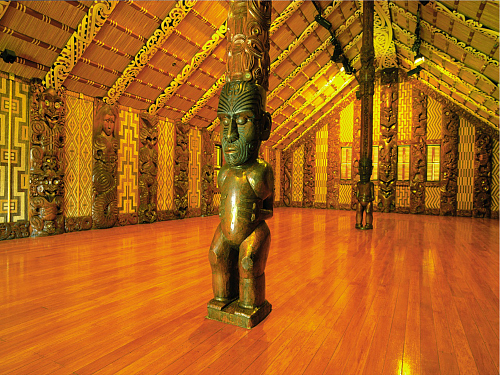
Kupe’s people, the descendants of today's
New Zealand Maori people
, settled from Cape Reinga (in the far north) to Parengarenga harbour
(in the south). Many locals trace their ancestry back to Kupe, and some
of New Zealand's oldest traces of settlement can be found in this
region.
After British explorer Captain James Cook landed in New Zealand in 1769,
whalers, traders and missionaries began to arrive in the region,
further enriching the history and culture of Northland.
The Waitangi Treaty Grounds, where the Treaty of Waitangi was first
signed in 1840, is a focal point for the New Zealand nation, and offers
an insight into Maori culture and New Zealand history with live cultural
performances and guided tours of the grounds and buildings. A visit is highly recommended.
About 30% of Northlanders identify themselves as Maori.
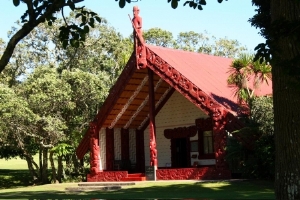
Waitangi's fully carved Maori meeting house Te Whare Runanga represents
all New Zealand Maori tribes and marks the spot of the signing. The
grounds also house Ngatokimatawhaorua, which is one of the world’s
largest Maori ceremonial war canoes. Once on the water, the canoe
requires at least 76 paddlers.
For a unique cultural experience, take a guided evening visit into the
Waipoua forest with Footprints Waipoua. Here you will gain an insight of
Maori spirituality and their strong connection to the land. The Maori
guides take visitors into the forest to meet Tane Mahuta "the lord of
the forest", and Te Matua Ngahere, the "father of the forest".
Ancient kauri trees (around 2000 years old) are an impressive sight, and
guides accompany the walks with traditional stories and songs.
Cape Reinga, also known as Te Rerenga Wairua or Te Reinga, is one of the
most sacred of all Maori places. According to Maori custom, the spirits
of the dead travel two pathways to Cape Reinga before leaping into the
water and proceeding to their spiritual home in Hawaiki.
Nature and Wildlife in New Zealand Northland
New Zealand Northland’s extensive coastline and thick native forests provide a perfect environment to experience New
Zealand’s nature and

unique wildlife. From diving in clear waters, to dark forest treks, to
bird watching on the beach, the Northland nature experience is full of
contrasts.
The subtropical climate combined with warm blue seas means much of Northland activity revolves around the water.
The Tutukaka coast is the gateway to Poor Knights Islands marine
reserve. With the entire area above and below water classified as
reserve, marine life thrives allowing snorkellers and divers to observe
unique marine species at close quarters.
Further north in Matauri Bay, the Rainbow Warrior wreck lies 21m under
water, acting as an artificial reef and sanctuary to the marine life it
once fought to protect. It is now considered one of the premier wreck
dives in the world. Swimming with dolphins or ocean cruises are other
ways visitors can enjoy Northland’s unspoilt marine life.
Northland offers some unique natural attractions. Waipoua, the largest
remaining kauri forest in the world, has ancient kauri trees that are a
living link to the dinosaur age.
Ripiro and 90 Mile Beach (actually only 55 miles long), on the west
coast, are two of New Zealand’s longest driveable beaches. With their
ever-shifting sand formations, a trip along the beach provides the
opportunity to see many varieties of sea birds and feeding holes of
endangered toheroa shellfish.
Luxury - New Zealand Northland Accommodation
With its close proximity to Auckland and natural beauty, Northland is an ideal luxury getaway destination. The region offers a variety of exclusive leisure, recreation and relaxation experiences.
Luxury lodges
Eagle’s Nest
, Kauri Cliffs and Cavalli Island offer world-class locations and
services. Cavalli Beach House is one of New Zealand's rare "absolute
beachfront" exclusive retreats, while Eagle’s Nest has private cliff-top
villas above Russell, in the Bay of Islands.
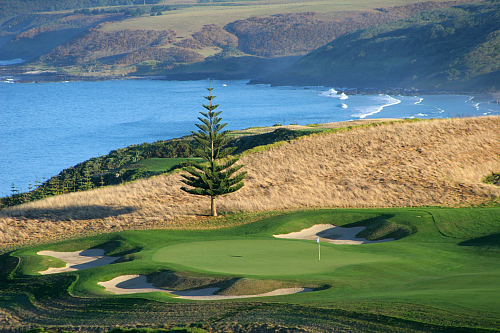
For leisure, Northland’s internationally acclaimed golf courses are a
major attraction. Carrington Resort and Kauri Cliffs have tournament
standard 18-hole courses with panoramic ocean views, towering cliffs and
vineyards.
Northland is also famed for tailor-made luxury experiences. For no
expense spared excursions, visitors can charter a helicopter to Waipoua
forest, try heli-fishing or experience a private traditional Maori
welcome.
Search for accommodation
You can search for accommodation, read customer reviews, and check property availability.
Just click on the following link to view a wide range of Northland Accommodation.
There Is Lots More To Do In New Zealand Northland
Here are a few suggestions (please also refer to the activities in the right hand column on this page):
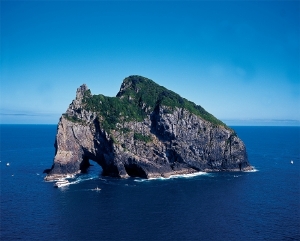
* Take a boat trip to Piercy Island off Cape Brett, and visit the famous
"Hole in the Rock". The "hole" is large enough to accommodate tour
boats.

* The region is well known as a world class deep sea fishing area and
there are numerous charter companies offering guided fishing tours.
* Visit the pretty coastal village of Russell. Known in the 1800's as
the "Hellhole of the Pacific", and infamous for it's lawlessness,
brothels, and liquor outlets, it is now a great place to spend a day
browsing the craft shops and cafes, and exploring the traditional
architecture. Accessible after a short ferry ride from Paihia.
* How about a kayak trip in the warm clear coastal waters of the region?
You can even kayak the Waitangi River to the Haruru Falls.
* Visit the Kawiti Glow worm caves.
* Take a trip to historic Kerikeri. Home to the Kemp House, New
Zealand's oldest remaining European building, which was constructed in
the early 1830's. Also home to Rewa's Village, a recreation of a pre
European Maori fishing village. Also worth a visit is the 30 metre high
Rainbow Falls.
* Visit one of the many wineries in the region.
* Cape Reinga has spectacular views and the beautiful Te Werahi beach,
on the western side of the cape, is a great deserted spot to pass an
hour or two.
You can view and book a range of Northland activities HERE.
Enjoy New Zealand Northland!
DID YOU KNOW - New Zealand Northland
* There are no traffic lights or high rise buildings north of Whangarei.
* Tane Mahuta - at 51m high - is the tallest kauri tree and largest by volume in New Zealand.
* The kauri tree Te Matua Ngahere is 16.44m around its girth.
* 90 Mile Beach is actually only 55 miles or 88km long.
* Twin Coast Discovery highway visits all highlights on both east and west coasts of New Zealand Northland.
State Highways Map

New Zealand Northland Top of Page

