BEST VIEWED IN LANDSCAPE MODE ON MOBILE DEVICES
U.S.FTC GUIDELINES PLEASE NOTE: we act as an affiliate for several companies that feature on our website. In some cases we may earn a commission from referrals to those companies. For further information please refer to our Privacy and Disclaimer policies which can be found in the "US" tab.
U.S.FTC GUIDELINES PLEASE NOTE: we act as an affiliate for several companies that feature on our website. In some cases we may earn a commission from referrals to those companies. For further information please refer to our Privacy and Disclaimer policies which can be found in the "US" tab.
Welcome to Wellington New Zealand, the nation's capital city (and it's also known as the nation’s arts and culture capital).
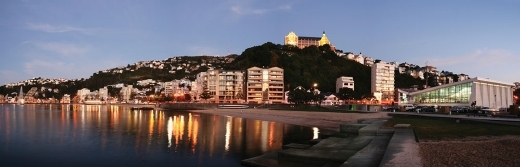
Wellington New Zealand - it's not the largest city in the country,
but it has an enviable reputation for its lively down town cafés, shopping, nightlife and
entertainment venues, and its beautiful harbor setting.
Wellington, built on the edge of a deep harbor and steep surrounding hills, is New Zealand's 'creative capital'.
The city is home to the Museum of New Zealand Te Papa Tongarewa, the New Zealand Symphony Orchestra and the Royal New Zealand Ballet, and national treasures such as the original Treaty of Waitangi, New Zealand’s founding document.
As with many parts of New Zealand, nature and wildlife experiences are major attractions in the Wellington region. Zealandia, a popular sanctuary for endangered native birds and other wildlife is only minutes from the city centre.
Kapiti island, situated on the "Nature Coast" north of Wellington, is an internationally regarded nature reserve where you can mingle with rare native birds.
Also on this page
There's lots of information on this page about Wellington, so to make it easier for you to find what you are looking for, just click on the links below:
|
* Our Top Things To See & Do in Wellington * Accommodation links * Maori culture and history * Maps |
* Nature and wildlife * Art and culture * More stuff to see and do * Some facts about Wellington New Zealand |
Getting Here
By road
Wellington is located at the very bottom of the North Island, and is over 600 kilometers by road from Auckland.
There are various routes between the two - please refer to our State Highways map.
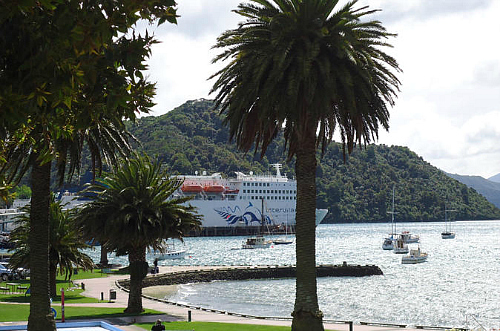
If you are driving from Christchurch (on the South Island), it's around 4.5 hours drive North to the Interisland ferry at Picton. From Picton, the ferry trip to Wellington takes around 3.5 hours.
By air
Wellington has an international airport with flights to and from various Australian cities, together with Singapore and Fiji.
Domestic flights are also available to and from many major locations within New Zealand.
For more information please see the Wellington Airport website.
The airport is about 8 kilometers from the city center.
Taxis are available outside the terminal buildings and shuttle bus services are also available.
By ferry
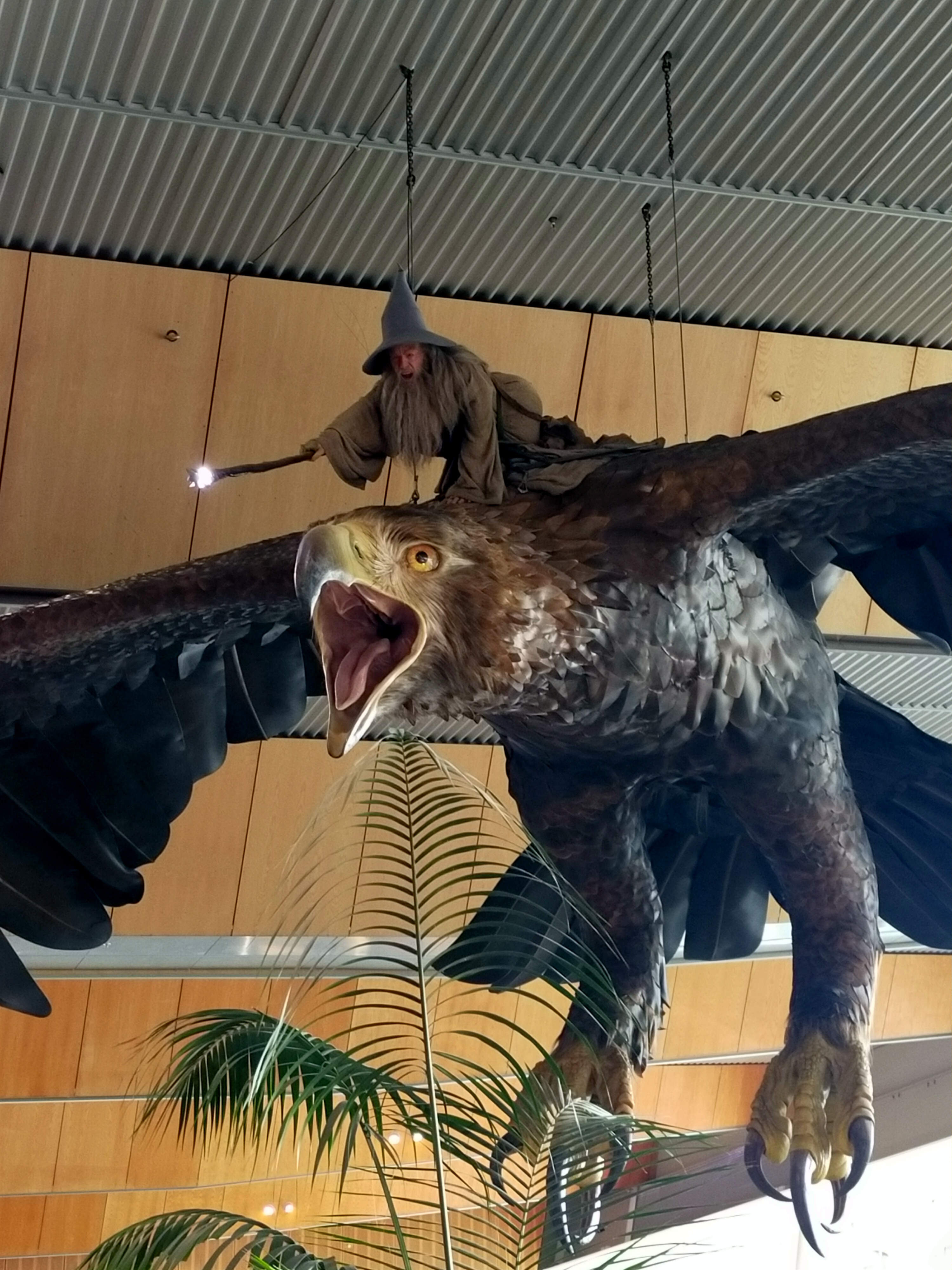
Wellington is also the departure / arrival point for the
Inter Island ferry
which transports people, vehicles and goods between the North and South
Islands. The ferry journey takes around 3.5 hours.
The ferry terminal is located on Aotea Quay, and is around ten minutes drive, or about forty minutes walk from the CBD.
The trip across to Picton on the South Island is one of the great ferry journeys, and takes you through the Marlborough Sounds as you near Picton. It's a wonderful trip and if you have the chance, we highly recommend it.
Please
be careful though to check with your hire car provider, as some will
not allow you to take your hire car or camper between the North and
South islands. This may mean dropping your vehicle off and collecting a
new one on the other island once you get off the ferry.
If you decide to travel on the Inter Island ferry we strongly advise that you book your ferry tickets in advance.
You can do this below:
|
Ferry Wellington to Picton |
 |
|
Ferry Picton to Wellington |
|
Top things to see and do in Wellington?
Wellington is a vibrant, cosmopolitan city, with a strong eco-focus.
And like anywhere, if you are new to Wellington, choosing how to spend your limited time can be confusing.
But don't despair.
With so much to see and do we thought we would do our own research, and, based on customer reviews, and our own experiences, here are our "Top things to see and do in Wellington":
Need to see the sights but not much time?
If that’s the case, then this is the tour for you.
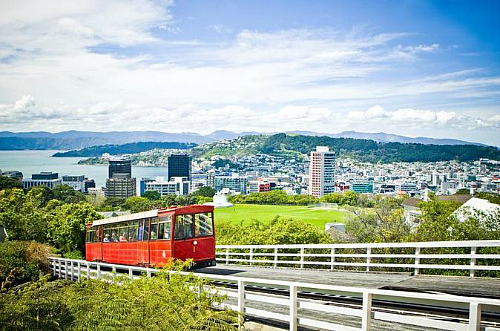
Over two and a half hours you’ll travel by coach to many of Wellington’s best landmarks, including the Beehive (Parliament buildings) and the lovely Old St Paul’s Cathedral (heritage listed and built completely from native New Zealand timbers).
Visit Mt Victoria for stunning views over Wellington (you might even like to take the optional ride on the iconic cable car), and visit some beautiful suburbs like Oriental Bay and Seatoun.
Your tour includes time at the Wellington Botanic Garden, spread over twenty five hectares. Here your guide will show you through the Begonia House and rose garden, home to more than three thousand roses!
Learn from your guide about the history of New Zealand’s capital, and you might even pick up some great tips on things to see and do, and the best spots to eat.
There’s a lot crammed into the tour, and it’s a perfect introduction to this beautiful city.
To read reviews and to check availability just click on the button below:

Is this one of the World’s best museums?
Te Papa, New Zealand’s national museum, is one of those special places that will intrigue you for hours.
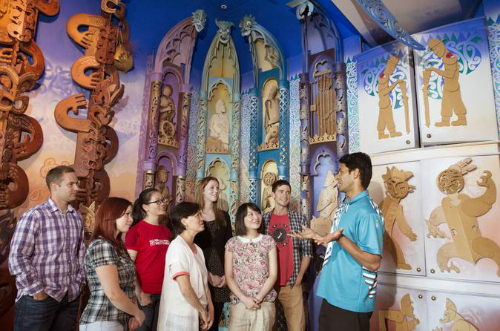
It’s a wonderful place for people of all ages, and is filled with interactive exhibits, artifacts, treasures, and everything New Zealand.
This sixty minute guided tour is the ideal introduction to Te Papa, and points out the best exhibits, and highlights some of the special attractions that make this a wonderful showcase for New Zealand and the nation’s unique culture.
After the tour feel free to stay on and explore to your hearts content.
With several departure times throughout the day, there’s sure to be a time to suit.
Your tour cost includes the tour and admission to Te Papa.
Check availability, read reviews, and learn more by clicking on the button below now:

You must visit Zealandia if you are in Wellington
Zealandia is a very unique eco-experience that traces the evolution of New Zealand’s wildlife.
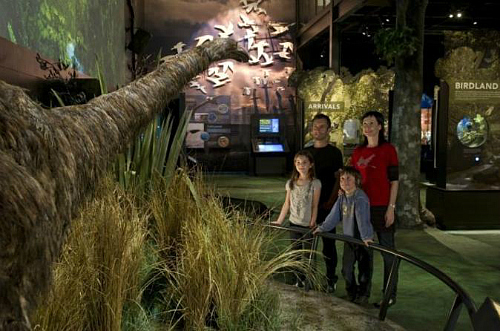
Located only minutes from Wellington’s business district, Zealandia comprises two main attractions.
At Zealandia: The Exhibition, you’ll trace New Zealand’s amazing wildlife through time in a stunning indoor exhibit. See recreations of the long extinct giant moa, and Haast’s eagle. It’s hard to believe they were so big!
Learn about what’s being done to ensure the preservation of New Zealand’s special wildlife.
Then it’s outside to the very aptly named Sanctuary Valley. This five hundred and fifty acre haven is surrounded by a predator proof barrier, enabling the native wildlife to prosper unaffected by outside influences. Keep an eye open for some of the local birds including the takahe and hihi.
You can even join the rangers for their free talks which take place throughout the afternoon.
This is a great value attraction and well worth a visit.
To learn more about Zealandia, just click on the button below:
Visit the beautiful Martinborough vinyards
Around 80 kilometers from Wellington, the once sleepy village of Martinborough is now a major wine region, offering some of the best Pinot Noir in the country.
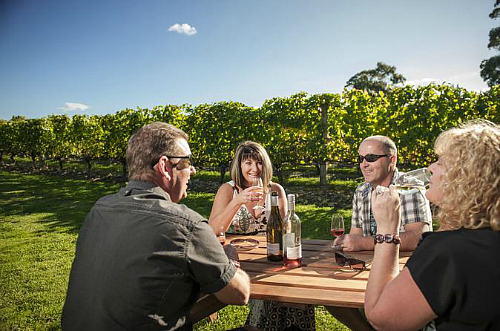
Hotel pick up and drop off are included, together with a relaxing return train ride from Wellington to Featherston station, where you will meet your expert local guide.
Your tour then takes you to four of the region’s best boutique wineries, where you have a chance to mingle with the owners, sample some of their best wines, and learn about the history of the region.
Relax in the village with a delicious antipasto lunch (included in the tour cost), and if time allows, explore the local galleries and craft outlets.
Your day wraps up with a lovely cheese platter and coffee.
This full day tour is highly recommended, and the train journey is a great and unexpected feature.
To read reviews and learn more about the tour, just click on the button below now:
Visit the Lord of the Rings movie locations, and the famous Weta Cave!
If you are a LOTR fan, then this is a “must do”.
Wellington and the surrounding area are now famous for providing the location for many scenes from the movies.
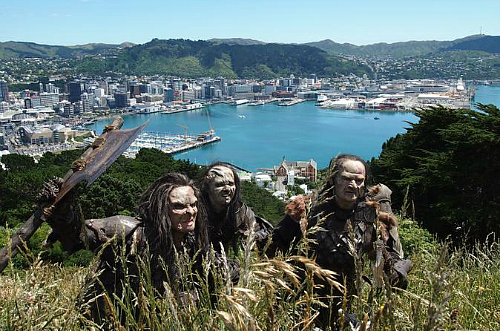
In addition, Wellington (now known affectionately as “Wellywood”) is also home to the amazing Weta Cave and studios, where the movies were produced.
This awesome tour takes you to several of the movie locations, and also to Weta Cave.
Explore the wonders of Middle-earth, and see and learn about how it was created in this stunning landscape.
See locations like Great River Anduin, Rivendell, the Gardens of Isengard, Helms Deep and Minas Tirith.
Visit Weta Cave for a behind the scenes tour and learn about how the movies were made, and enjoy time to explore the “Cave” and the amazing exhibits.
Your tour cost also includes a delicious lunch at Scorch-O-Rama cafe.
Your guides are LOTR fanatics with lots of knowledge about their subject and are on hand to answer any questions you have and to provide lots of fascinating information.
This is a great tour for all LOTR fans and one we highly recommend.
To read reviews just click on the button below:
Accommodation in Wellington New Zealand
As befits a city of Wellington's size there are a wide range of Hotels with something to suit all budgets.

One of our favorites is the Copthorne Hotel Oriental Bay.
It's directly across the road from the water, so great views.
We loved eating in the 7th floor restaurant which has stunning views over the harbor.
View a full range of Wellington accommodation
You can read reviews, make bookings, and search through a huge range of Wellington accommodation Here.
Check out these highly rated places to stay
Here are a few of our favorites, highly rated by our customers:
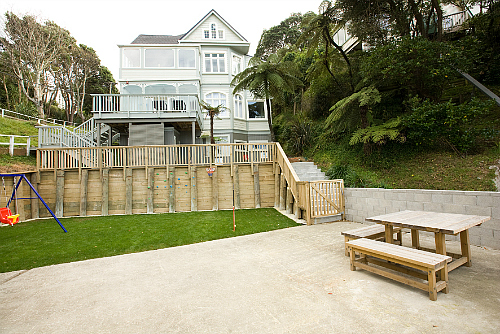
Apartment accommodation - We recommend Orchard Street Boutique Accommodation
If you're looking for an apartment close to the city centre, then this could suit you.
This beautifully renovated turn of the century cottage has a range of 1 & 2 bedroom self contained suites, each with their own kitchen, bedroom(s) and living areas.
You can cook in room, or breakfast can be provided at additional cost.
It's a short walk to the CBD, and a short drive to the ferry terminal.
They also have individual outdoor areas to relax in and admire the views over the harbor and CBD.
It's a little quirky, but it's something different, and rates very highly.
You can read reviews and make your bookings here.
|
Address: 10 Orchard St Wadestown, Wellington, New Zealand |
 |
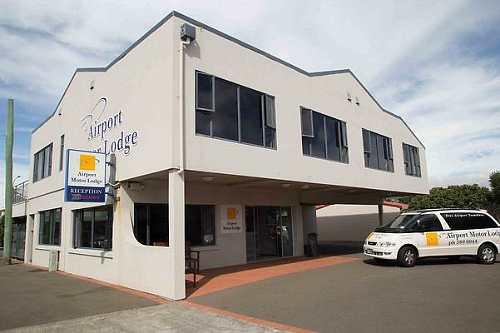
Airport accommodation - guests love the Airport Motor Lodge
The Airport Motor Lodge claim that they are the closest motel to the airport (around 650 meters).
The CBD, ferry terminal and Te Papa museum are all around 15 minutes drive.
We like that they offer free wifi and free airport shuttles.
The rooms are clean and spacious, with flat screen tv, air-conditioning and heating, and mini bar.
There's no on site restaurant, but there are several within 2 kilometers, and the local pub (the Strathmore) is a 9 minute walk. They have extensive brunch, dinner and kids menus and it's a great spot to eat and sample some of the local beer and wine.
They also offer on-site parking.
You can read reviews and check availability here.
|
Address: Corner Broadway & Hobart Streets, Miramar, Wellington, New Zealand |
 |
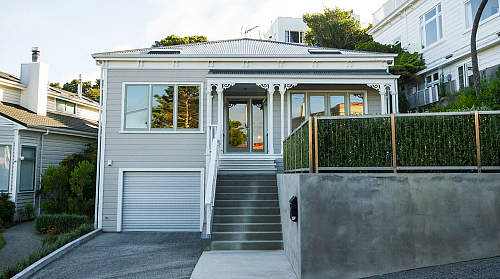
Bed and Breakfast - Try Wesley Gardens B & B - this one is very good!
Wesley Gardens is ideally located and is only 3 or 4 minutes walk to the CBD, It's around 400 meters from the cable car and botanic gardens, and only 500 meters from the Parliament Building.
Offering two rooms, with beautiful bathrooms and sitting areas, it's a very relaxing environment.
They offer free wifi, flat screen tv with Sky, tea and coffee making facilities and a work area and desk.
For breakfast you can choose from continental, or cooked, and they will even whip you up a special fruit smoothie. They can also cater for any special dietary requirements.
Laundry facilities are also available.
It's a lovely old residence, beautifully renovated, and a real retreat from the hustle and bustle of the CBD.
You can read reviews and make bookings here.
|
Address: 5 Wesley Road, Kelburn, Wellington, New Zealand |
 |
Maori Culture / History
Wellington was originally known to the Maori people as Te Upoko o te Ika a Maui, meaning "the head of Maui's fish", referring to how Aotearoa (New Zealand) was created.
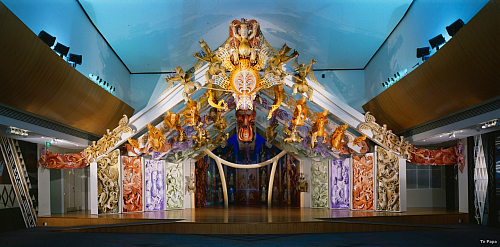
According to Maori legend, the Polynesian navigator Maui hooked a giant fish that, when pulled to the surface, turned into the land form now known as the North Island.
The polynesian explorer Kupe is credited with discovering Wellington harbour around the 10th century. He named several places on the Wellington peninsula including Matiu (Somes) Island and Makaro (Ward) Island.
Over the next thousand years, different Maori iwi (tribes) settled in the area including the Ngai Tara who gave their name to Wellington harbour. Te Whanganui a Tara means the "great harbour of Tara". The Ngai Tara eventually merged with the Ngati Ira tribe. Other local tribal groups are Ngati Kahungunu, Ngai Tahu and Ngati Mamoe.
European settlers arrived in the early 1840s. Petone, on the northern end of the harbour, was originally chosen as the site for the new town but the swampy land was unsuitable for development so the settlement was relocated across the harbour.
In 1865 Wellington New Zealand became the capital of New Zealand, and has been the centre of New Zealand government since then.
Wellington New Zealand - Food and Wine heaven? We think so!
Wellington New Zealand is a food lovers paradise and is said to have more eateries per capita than New York. With over 300 cafés, bars and restaurants, locals and visitors are spoilt for choice.
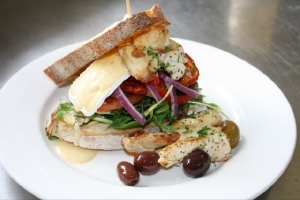
Top restaurants include Matterhorn, Logan Brown and Martin Bosley's
Yacht Club Restaurant. A strong focus on local produce ensures a
rewarding dining experience.
Wellington also boasts a vibrant nightlife with dozens of bars and nightclubs.
Nearby Martinborough is part of the Classic New Zealand Wine Trail, and is home to some of the North Island's finest wineries.
Guided food and wine tours are available and are a great introduction to the gastronomic wonders of Wellington and the surrounding area.
You can view a range of tours, read reviews, and make bookings by clicking on the button below:
Come and see the local wildlife in Wellington New Zealand
Zealandia
, located just 10 minutes from the city at Karori, is a beautiful eco-attraction and haven for a selection of New Zealand’s rarest native
wildlife.
Located on a 225 hectare (550 acre) site, Zealandia comprises a state of the art indoor exhibition and a predator proof outdoor sanctuary. Since the early 1990s, the site has been transformed from a pest infected area covered in introduced plants, to what is now a world first conservation reserve.
Protected species include rare New Zealand birds such as the hihi, the little spotted kiwi and the saddleback.
New Zealand's giant insect, the weta, and the bizarre tuatara reptile are also featured.
Looking to the future, Zealandia hope to eventually return the reserve to its pre civilisation state.
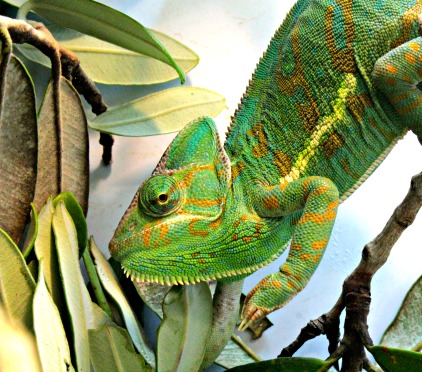
Wellington Zoo is a great place for all the family, with over 500 animals on display. They offer a number of interactive experiences, aimed at differing age groups, and you can even sleep over at the zoo.
Check out their website for more information here.
Go "glamping" and spot a kiwi
Around 45 minutes drive from the city, Kapiti island is a further example of the regions' sustainability committment.
As New Zealand’s oldest nature reserve, Kapiti is covered in native forest, and is home to many species of native wildlife.
There's even a great overnight experience where you can go "kiwi spotting" on Kapiti. Accommodation in upmarket tents (known as "glamping") and meals are included.
Check it out by clicking on the button:
Art and Culture In Wellington New Zealand
New Zealand’s
arts and culture capital has many museums and art galleries, as well as a
thriving theatre and film scene.
Annual large scale international events include the International Arts Festival, Wellington Sevens Rugby tournament, and World of WearableArt awards.
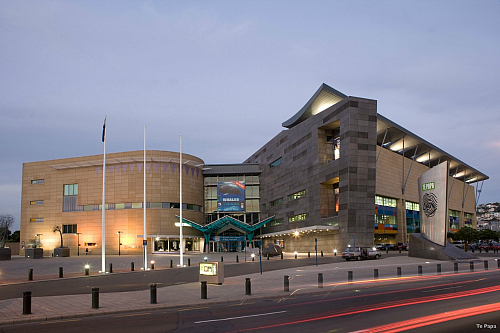
Te Papa, New Zealand's National Museum
Te Papa Tongarewa Museum is a contemporary museum of innovative and interactive displays. Te Papa showcases New Zealand’s diverse art and visual culture in collections featuring wildlife, history, Maori culture, contemporary art and culture.
Guided tours are available and they are really good value. The cost includes entry to Te Papa so you can stay on after the tour to explore at your leisure.
just click on the button below to learn more:
And don't forget Wellywood
Wellington New Zealand is often referred to as "Wellywood" and is the hub of New Zealand’s growing film industry.

Wellington is the home of film director Peter Jackson (Lord of the Rings) and his production facility, and was a location for the Lord of the Rings trilogy and King Kong.
Weta Cave is a museum which showcases the work of Jackson and his partners Richard Taylor, Tania Rodger and Jamie Selkirk. The mini museum houses various displays including props and characters from more than 20 years of Weta production.
In March 2016, British newspaper The Guardian, rated tours of the Weta workshops as being in the top 10 of their kind in the world!
You can find out more about tours by clicking on the button below:
The Museum of the City and Sea
You can also visit the Museum of Wellington City and Sea, located in a significant heritage building on the waterfront, which offers an insight into the city’s social and cultural history.
There Is Lots To Do In Wellington New Zealand!
Here are a few ideas (or click HERE):
* A visit to New Zealand's National Museum, Te Papa should be one of the
first things on your "to do" list. This amazing place is the perfect
spot to visit for a revealing look at kiwi culture and history. Such is
the volume of information and displays (many interactive) that you can
easily spend a whole day there.
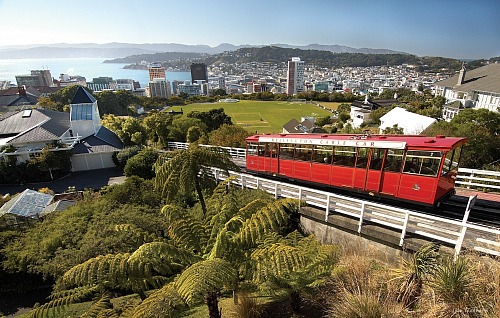
* A ride on Wellington's famous
cable car should be right at the top of your list. The trip takes you
from Lambton Quay in the city centre, to the top entrance to the
Wellington Botanic Gardens. Amazing views.
* And a visit to the
Botanic Gardens is a relaxing way to pass a few hours. Established in
1868, the gardens have a wide range of plants covering many different
climate zones.
* Take a scenic walk on one of the many walks in
and around the city. One of the most poular is the 12 kilometre long
City to Sea walkway, which takes
you
from the Bolton St Memorial Park in the city to Island Bay. The walk
passes many parks and the Botanic Gardens and offers wonderful views.
Catch a bus back to the city when finished.
Other great walks are the Pencarrow Coastal Trail, the Hutt River Trail, the Makara Walkway and the Rimutaka Rail Trail.
* Take a guided Lord of the Rings tour and see where many scenes were filmed.
*
Mt Victoria lookout sits 196 metres above Evans Bay and provides
wonderful panoramic views over the city, Cook Strait and surrounding
country.
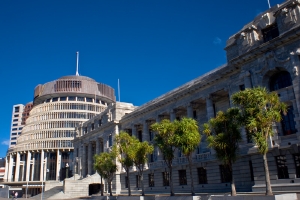
* Visit New Zealand Parliament House for a guided tour.
Enjoy!
Did you know?
* Wellington New Zealand is the world's southernmost capital.
* Wellington city is on an active earthquake fault, and the modern city is mostly built on reclaimed land.
* Lambton Quay - the main shopping street - follows the original 1840 shoreline.
* Wellington’s distinctive Beehive building - in the Parliamentary precinct - was reputedly designed during dinner on the back of a napkin.
* New York city temporarily sprang up in Seaview, on Wellington’s harbour fringe, for the King Kong film set.
* Most residents of Wellington New Zealand live within 3km of the sea.
State Highways Map


Wellington New Zealand Top of Page

