BEST VIEWED IN LANDSCAPE MODE ON MOBILE DEVICES
U.S.FTC GUIDELINES PLEASE NOTE: we act as an affiliate for several companies that feature on our website. In some cases we may earn a commission from referrals to those companies. For further information please refer to our Privacy and Disclaimer policies which can be found in the "US" tab.
U.S.FTC GUIDELINES PLEASE NOTE: we act as an affiliate for several companies that feature on our website. In some cases we may earn a commission from referrals to those companies. For further information please refer to our Privacy and Disclaimer policies which can be found in the "US" tab.
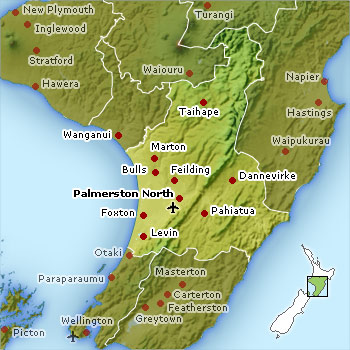
The Manawatu New Zealand region sits on the lower North Island's western coast, and has all the charm of rural New Zealand.
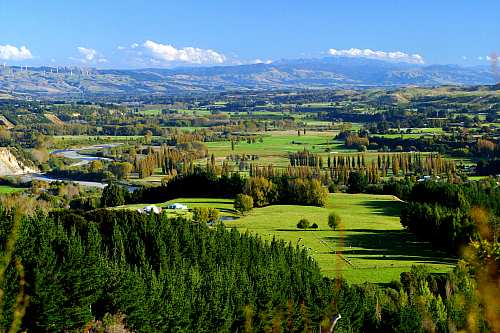
The diverse Manawatu New Zealand landscape ranges from the rocky Tararua and Ruahine ranges, to sweeping hills and river valleys, and to sandy beaches. And because the region spans the width of the North Island, it's possible to see the sunrise on the east coast, then watch it set on the west coast.
This is rural New Zealand at its best.
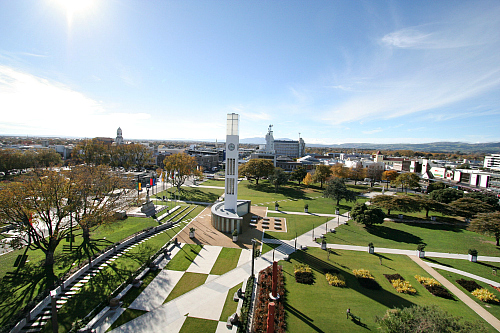
Palmerston North, with a population of around 80,000, is the economic and social hub of the region and has a diverse culture.
Palmerston North houses more than 70 educational and research facilities, including Massey University.
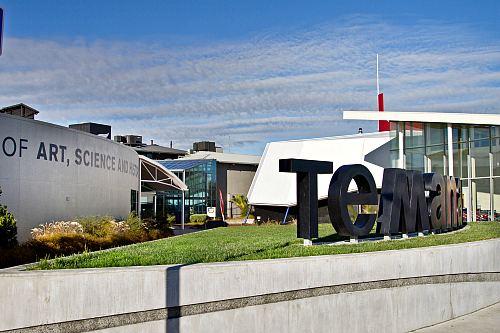
And it is also home to an international rugby academy and the national rugby museum (new Zealand's national sport).
Outdoor activities are many in the Manawatu, with a range as diverse as
an extreme flying fox (over the Rangitikei river) to tours of the
Southern hemisphere's largest livestock saleyards.
Also on this page
To make it easier for you to find what you are looking for just click on the links below.
To return here just click on your browsers back button.
|
* getting to the Manawatu New Zealand * accommodation links * Maori history in the region * a strong connection with nature |
* seasonal highlights * things to do * some interesting facts * handy maps |
Getting here
The Manawatu sits in the central southern part of the North Island.
By road
From Wellington to Palmerston North takes around two hours drive via State Highway 1.
From Auckland to Palmerston North it's about six hours drive via State Highway 1.
Please refer to our State Highways map.
By air
You can fly to Palmerston North from Auckland, Christchurch, and Nelson.
More information can be found on the airport's website by clicking here.
A Region Rich In Maori Culture and History - Manawatu New Zealand
Local Maori people trace their heritage back to the Aotea and Kurahaupo
migratory canoes, and proudly recount the history of their people,
legends, and places.
Legend tells how the mighty Manawatu river was named after the explorer Hau who travelled southwards from the
Taranaki
region in search of his wife Wairaka, and her lover. Hau had crossed
several rivers in his journey, however he was so in awe of the mighty
Manawatu that he named it "heart standing still".
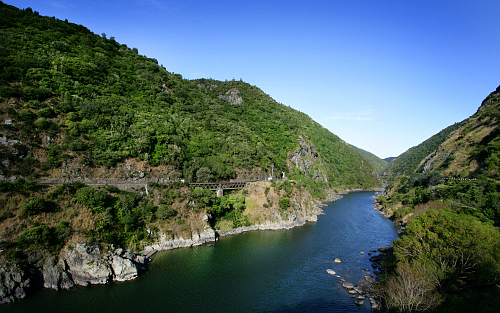
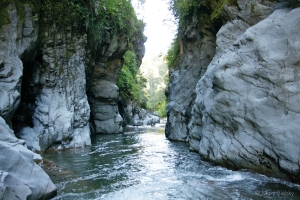
The Maori people made regular use of the Manawatu gorge as it was the only way through the mountains, and to the lands beyond.
Around 1840, European traders and missionaries began arriving in the region, and settled along the banks and near the mouth of the Manawatu. The town of Foxton was one of the first settlements, and quickly became a European stronghold in the region. Within a quarter of a century, the number of European settlers in the region had grown to around 14,000.
Accommodation in The Manawatu
Whether you're looking for a backpacker hostel or five star luxury, the Manawatu will have something to suit your taste and budget.
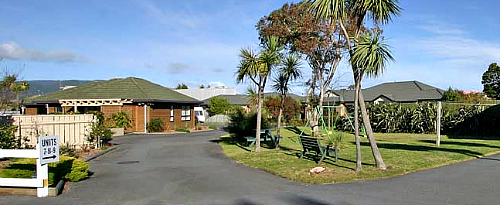
Palmerston North has the widest range of accommodation, but there are also some gems to be found in towns like Feilding, Foxton and Levin.
Our best advice is to read reviews from our visitors before booking anywhere (you can do this by following the links below).
* to view a full range of accommodation in the Manawatu region click here.
* to read reviews and search for Palmerston North accommodation click here.
* click here for Feilding accommodation.
* for Foxton accommodation click here.
* for hotels at Paraparaumu Beach click here.
A Strong Connection With Nature - Manawatu New Zealand
The Manawatu's rich plains and pastures have proven ideal for
farming and agricultural endeavours, which has provided a solid economic
base for the region. And in a sign of the region's commitment to
sustainable energy, wind farms have been developed to harness nature's
power.
The busy farming centre of Fielding is home to the Southern Hemisphere's
largest working livestock saleyards. For an authentic kiwi country
experience, visitors can take a guided tour of the saleyards, where
local farmers share insights of New Zealand farming and livestock
auction history.
At Te Apiti, a large wind farm makes use of the strong wind speeds
around the Manawatu gorge. The farm develops sufficient energy to power
around 45,000 homes. The wind farm attracts tourists to the area to view
the huge turbines and the stunning landscape.
Along the coast from Patea to Paekakariki, New Zealand's largest sand
dune field extends for 200 kilometres, and up to 18 kilometres inland.
Wide plains and fast moving rivers are the perfect setting for a wide
range of adventure activities. The Manawatu is home to the North
Island's highest bungy, the highest tandem bridge swing, thrilling white
water rafting, and hiking.
The Mokai Gravity Canyon
, on the Rangitikei river, has a range of thrilling activities for
adrenalin junkies, including New Zealand's most extreme flying fox,
which takes you 175 metres above the river, for 1 kilometre, at speeds
up to 160 kilometres per hour! The centre is also home to the North
Island's highest bungy, and a 50m free-falling bridge swing.
The Rangitikei river is also a popular white water rafting destination
for both experienced and novice rafters. Grade four and five runs will
satisfy the well seasoned rafters, but for those looking for a more
leisurely experience, half day scenic trips (including a picnic lunch)
are also available.
Horse treks are also available which will take you through the region's
beautiful native bush. Peaceful trails with nothing but you, your trusty
horse, and the sounds of native birdlife. Ah, the serenity!
Seasonal Highlights in Manawatu New Zealand
The Manawatu, recognized for its many wonderful gardens, is home to one of the world's top five rose gardens.
For garden buffs, the annual Manawatu Garden Festival (held every May), attracts thousands of garden lovers to the region.
North of Palmerston North, the town of Taihape proudly claims the title
of "Gumboot capital". The annual Gumboot Festival features a gumboot
(rubber boot) throwing competition that attracts international
attention. And if you can't get there for the annual festival, you can
still try your hand at gumboot throwing at Taihape's "Gumboot throwing
lane".
Each March, the week long Festival of Cultures, in Palmerston North,
pays tribute to the Manawatu's lifestyle with a wide range of events,
including music, arts and crafts, dance, sport and food.
There Is Lots To Do In The Manawatu
Here are a few ideas:
* Visit the De Molen Windmill in Foxton, a full scale receration of a Dutch windmill.
* While in Foxton, visit Foxton beach and the Manawatu estuary, home to a wide variety of bird life.
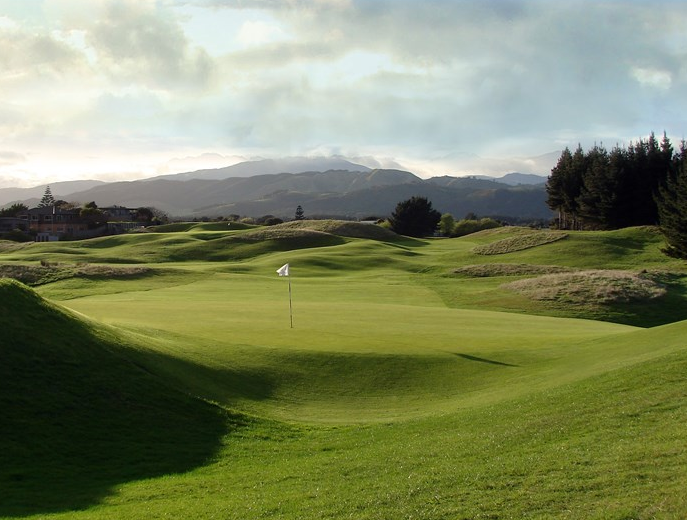
* Golfers will love the
Paraparaumu Beach Golf Course
. Regarded as one of the best links in the Southern Hemisphere, the course has been ranked in the world's top 100.
* The New Zealand Rugby Museum in Palmerston North is filled with all
sorts of rugby memorabilia and is a must if you are even remotely
interested in "the game they play in heaven".
Some Interesting facts about Manawatu New Zealand
* Taihape, The "Gumboot capital of New Zealand", even has a giant metal gumboot.
* Palmerston North is home to New Zealand's largest tertiary educational institution, the prestigous Massey University.
To find out more about the Manawatu New Zealand region click here to go to the Tourism New Zealand web site.
Maps