BEST VIEWED IN LANDSCAPE MODE ON MOBILE DEVICES
U.S.FTC GUIDELINES PLEASE NOTE: we act as an affiliate for several companies that feature on our website. In some cases we may earn a commission from referrals to those companies. For further information please refer to our Privacy and Disclaimer policies which can be found in the "US" tab.
U.S.FTC GUIDELINES PLEASE NOTE: we act as an affiliate for several companies that feature on our website. In some cases we may earn a commission from referrals to those companies. For further information please refer to our Privacy and Disclaimer policies which can be found in the "US" tab.
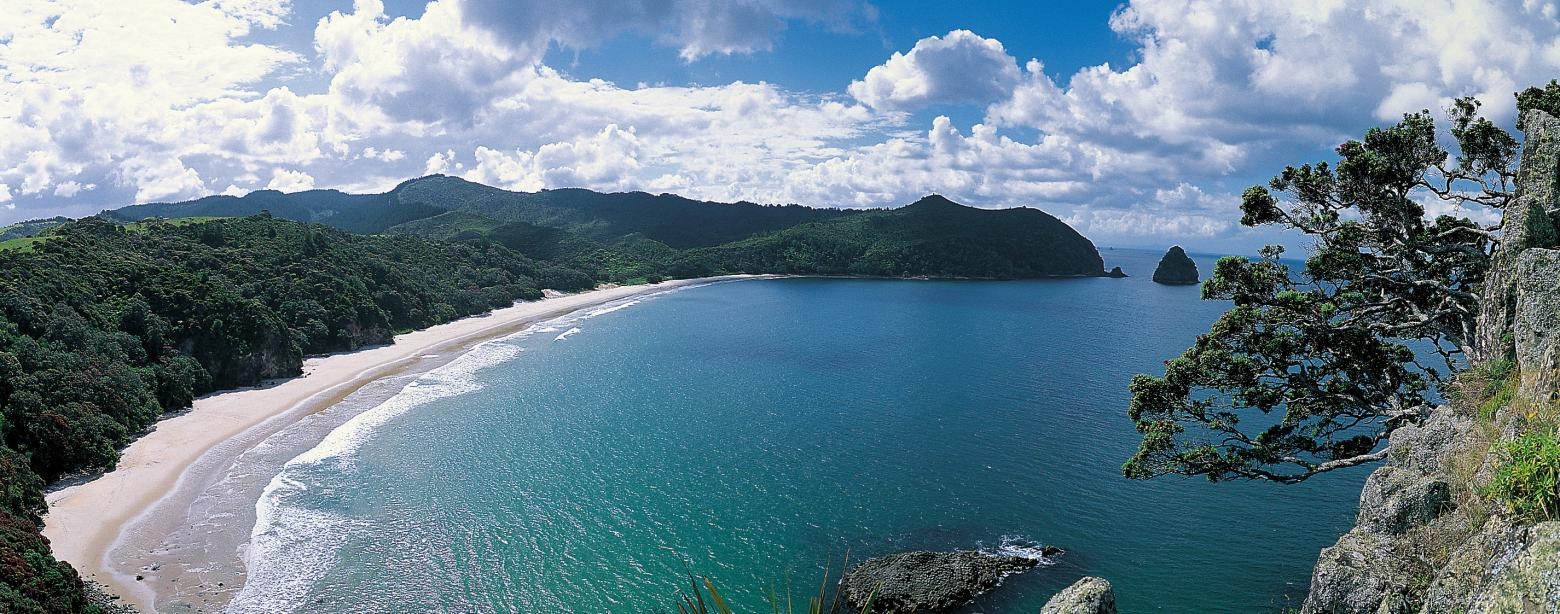
The stunning Coromandel coast is located on the western edge of the Hauraki Gulf. It is a narrow stretch of coastland, pohutukawa-lined coves, white sand beaches and lush rainforested hills.
New Zealand's Coromandel Coast is a true little piece of paradise!
Located around two to two and a half hours drive from Auckland , the Coromandel Coast is a sub-tropical wonder, and one of the North Island's treasures.

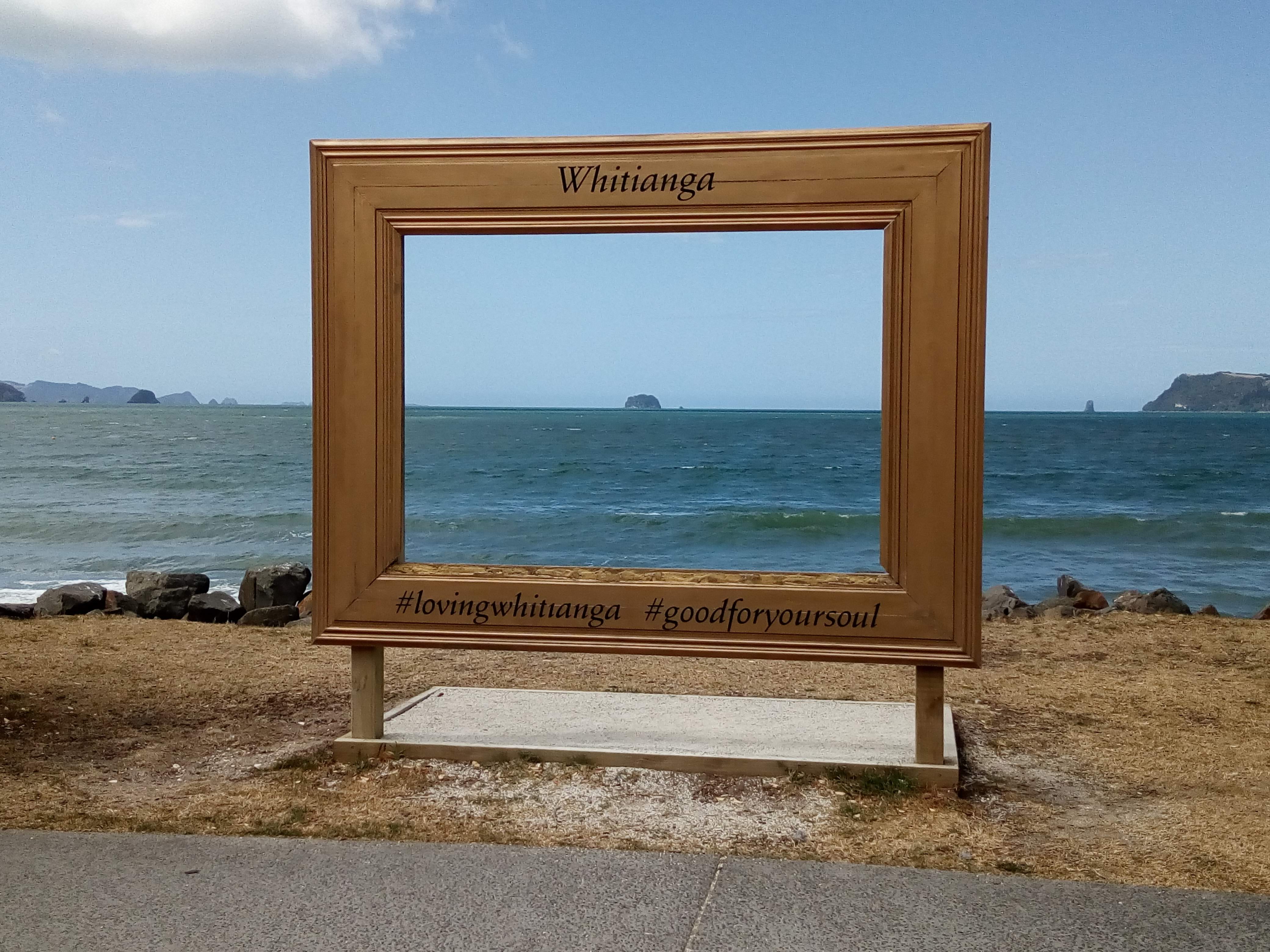
Promoted as being "good for your soul", we can heartily endorse this after our last visit.
It's difficult to imagine a more idyllic place to just sit back, relax, and admire mother nature.
Breathtaking scenery, an almost endless variety of things to do and places to visit, and an overwhelming sense of calm.
That's our heartfelt take on the Coromandel coast.
Thames is the largest town in the region, and has many historic buildings and several museums.
Other towns in the region include Coromandel, Whangamata, Paeroa, Waihi and Whitianga.
Perhaps most famous for Cathedral Cove, New Chum beach and Hot Water beach, it's a region of natural beauty, where outdoor activities abound, surrounded by some of the most picturesque scenery you could imagine.
Perfect settings for sun drenched holidays and water based experiences.
Seafood is a speciality of the region where oysters, mussels, scallops
and other foods are grown and harvested sustainably offshore.
Locals are famous for a relaxed and welcoming style. Inspired by the
natural beauty and laid-back lifestyle, the region's resident artists
help fuel the area's quirky, creative vibe.
Outdoor adventures include scuba diving, sea kayaking and fishing, short and long forest treks.
Also on this page
There's lots of information about the Coromandel coast on this page.
So to make it easier for you to find what you are looking for, just click on the links below:
|
* Nature and wildlife | |
|
* Seasonal highlights | |
|
* Lots more things to see and do |
* Some interesting facts |
|
* A range of free pdf guides to download |
* Coromandel accommodation links |
|
* A little local history |
* Maps |
Getting to the Coromandel coast
By car
The Coromandel peninsula is located East of Auckland, New Zealand's largest city, and home to New Zealand's main international airport.
From Auckland, it's around one and a half hours drive to Thames, via State Highway 1 and State Highway 2.
From Auckland to Whitianga is around two and a half hours drive via State Highway 1 and State Highway 25.
Please refer to our State Highways map.
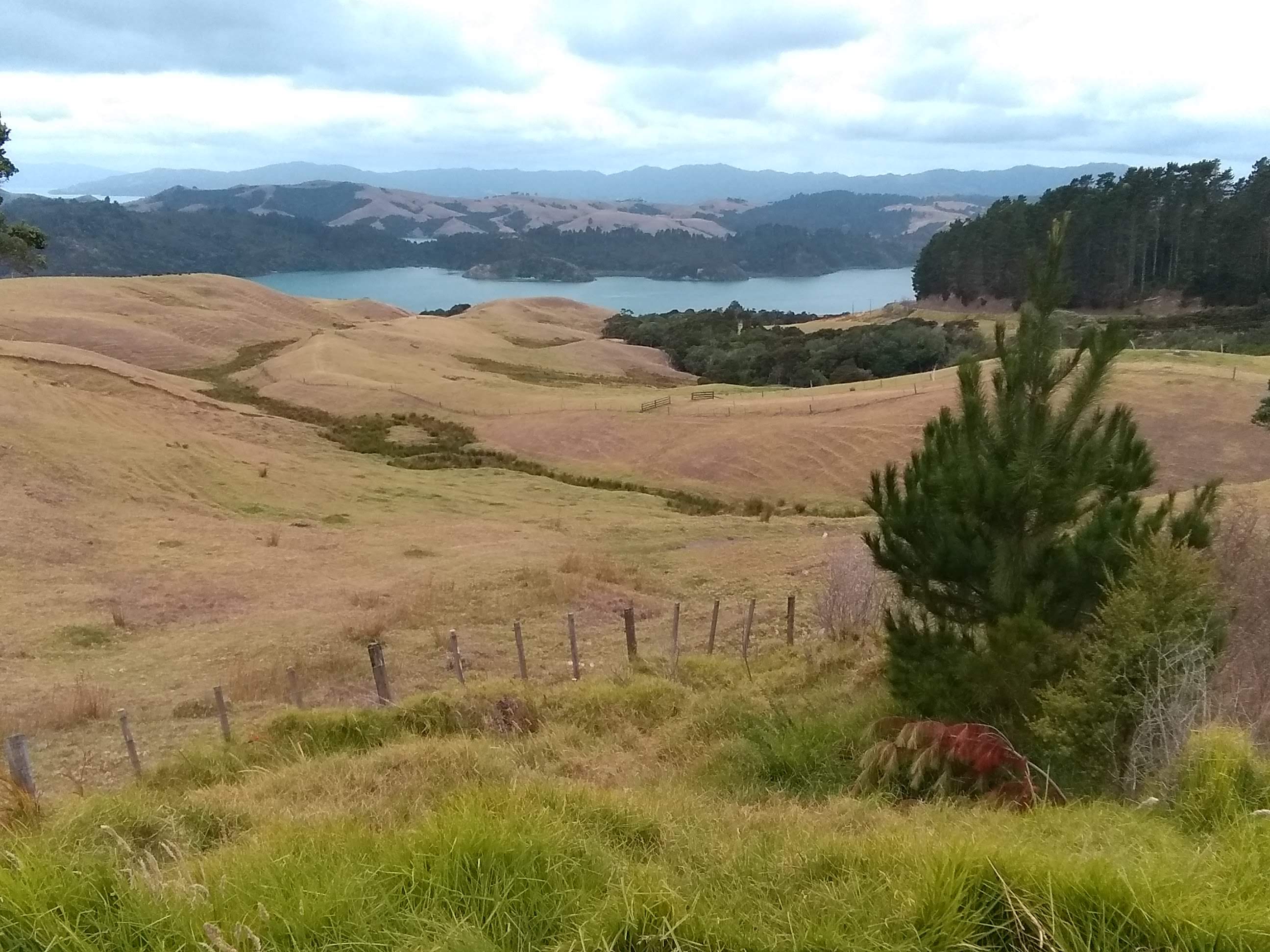
The Peninsula is like a large finger of land, surrounded on three sides by water, and split along its length by the Coromandel mountain range.
If you drive in from the Western side to Thames, we recommend then driving North along State Highway 25 and following the bay (known as the Firth of Thames) to historic Coromandel town. Although it's only 53 kilometers, the road hugs the coastline all the way, so the journey takes around one hour. The road is a little narrow, so take your time. There are lots of little villages along the way and plenty of spots to pull off the road and take pictures.
From Coromandel, head East over the mountain to Whitianga (on the Peninsula's East Coast). The road snakes its way up the mountain to a lookout with beautiful views, before descending towards Whitianga. The trip is around 35 kilometers and takes around 45 minutes.
From Whitianga, you can then head South and explore the East Coast villages, like Pauanui, and Whangamata.
Make sure that you have your phone or camera charged, because the Coromandel coast is certainly a photographer's paradise.
Why not take the ferry?
There's also a wonderful 2 hour ferry ride from Auckland to Hannaford's Wharf, Coromandel, which takes you through the beautiful Hauraki Gulf.
It's an unforgettable scenic ride through one of the North Island's most gorgeous harbors and is well worth the trip.
You can check it out by clicking here.
Or check out this great day tour from Auckland
For those wanting to base themselves in Auckland, we have a great day trip to the Coromandel region.
Ride a train through native Kauri forest, dig a pool in the warm sands of Hot Water Beach, and visit the iconic Cathedral Cove.

This 12 hour adventure takes you to the very best of the Coromandel.
You can see what others thought of this highly rated tour by clicking on the "Read Reviews" button.
Come and immerse yourself in the great outdoors - Coromandel Coast style!
If you are into scenic walks, this is the place for you. There are
dozens of walking tracks that meander through the valleys and hills of
the Coromandels, showing traces of the region's gold mining and kauri logging past.
And along the extensive 400 kilometres of coastline, choose from a never
ending array of unspoilt beaches.
Here are a few highly recommended Coromandel Coast activities:
Cycle the Hauraki Rail Trail
Stretching over a leisurely 173 kilometres, the Hauraki Rail Trail is one of the country's easier Great Rides, and is suitable for the whole family.
The trail comprises 5 sections, which allow for easy day rides.
Access points are many and include Paeroa, Thames, Waihi and Waikino.
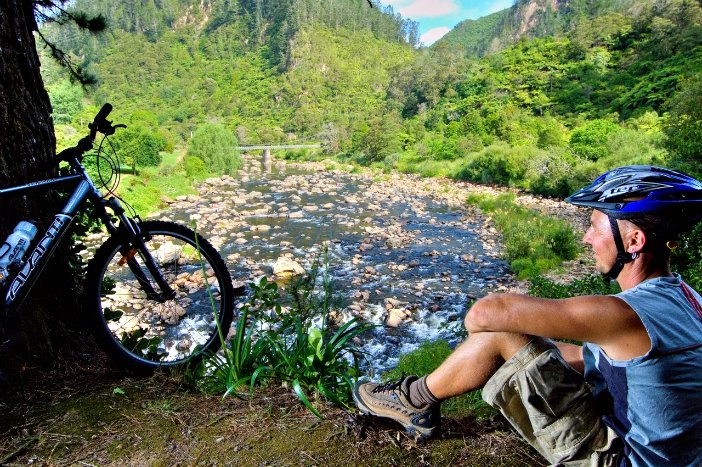
There's lots to see and do along the length of the trail with numerous accommodation and dining options available. Bikes can be hired or you can choose a guided tour, whatever suits.
More information can be found on the official web site here.
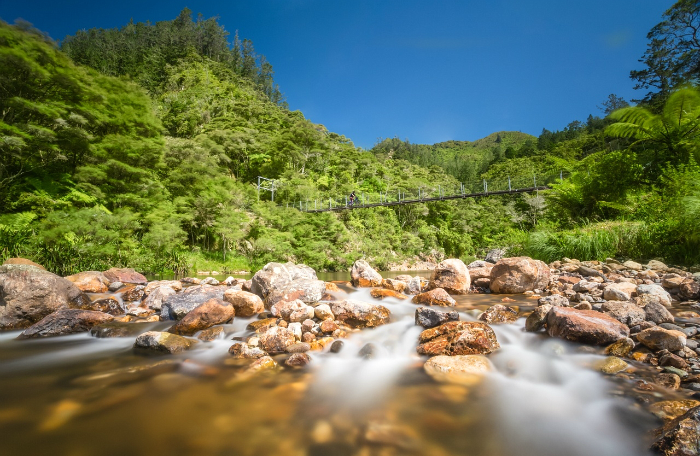
Visit Karangahake Gorge
Kiwi's tell each other that this is one of the places that they must visit, so you know its good.
Take your time to explore historic tunnels and walkways, the dramatic gorge itself, or the rambling Hauraki Rail Trail.
Getting here
Access to Karangahake Gorge is from State Highway 2, between Waihi and Paeroa.
It's around two 2 hours drive from Auckland, and you can park just off the highway at Karangahake.
The car park has toilets, bins, and some basic information about the gorge.
The Department of Conservation (DOC) have lots of helpful information on their website which you can access here.
The Pinnacles
The 'Pinnacles' overnight walkway through the Kauaeranga valley was originally constructed for horses carrying supplies to kauri loggers, gum diggers and gold miners in the early 1900s.
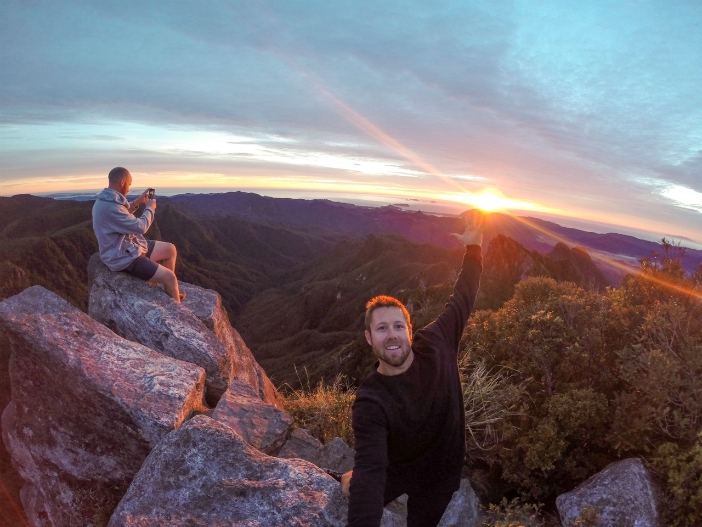
Walkers stay in a DOC
hut where an early morning rise reveals the sun's first rays on the
Pacific Ocean and 360-degree panoramic views.
Allow about 8 hours walk time.
More information can be found and bookings made, on the Department of Conservation (DOC) website here.
Dig a bath and relax at Hot Water Beach
At Hot Water beach, where underground thermal activity supplies bubbling hot water, you can create a personal natural jacuzzi in the wet sand during low tide.
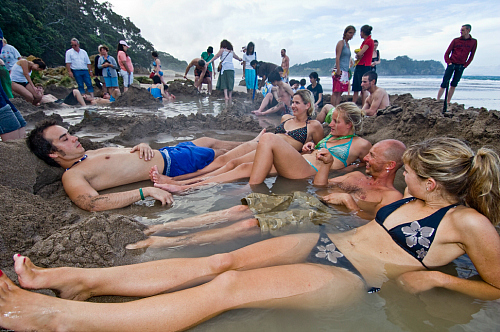
For two hours either side of low tide nature provides the perfect conditions for you to experience this world famous phenomenon.
And what a great way to meet new friends!
And just like nearby Cathedral Cove, this iconic kiwi attraction is a "must do" on your New Zealand bucket list.
Parking is available at the Main Beach car park and you can hire a spade at several local cafes.
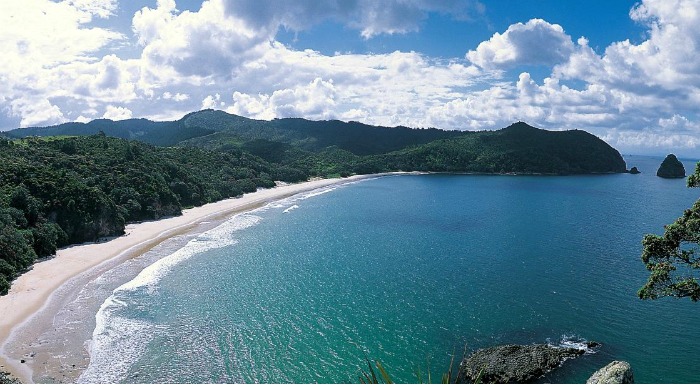
New Chum Beach - one of the world's best
Although isolated, the walk to New Chum is well worth the effort.
Rated as one of the best beaches in the world, it's a true hidden gem, and certainly one of the "stars" on the Coromandel Coast.
White sands surrounded by native forests, and a lack of development make this one very special beach.
Getting There
New Chum is accessed from the car park at the Northern end of Whangapoua beach. From there, if the tide allows, make your way across the stream and rocks, then follow the path over the rise into the palm grove.
Majestic Cathedral Cove
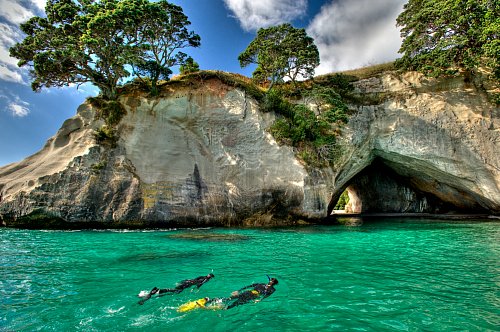
Cathedral Cove's iconic limestone archway and pristine golden beach featured in The Chronicles of Narnia: Prince Caspian.
The cove is an idyllic location for swimming, snorkelling,
picnics and relaxing under pohutukawa trees.
Getting there
Catherdral Cove is only accessible on foot, or by boat or kayak.
The easy walk takes around two hours return.
Situated at Hahei, it's only about a ten minute drive from the equally popular Hot Water Beach.
The trail begins at the top of Grange Road Hahei. You should park on Pa Road in the dedicated visitor car parking area (in the warmer summer period there's a shuttle service to take you from the car park to the start of the track).
When the shuttle is not running, the walk from the car park to the start of the track takes about an extra twenty minutes.
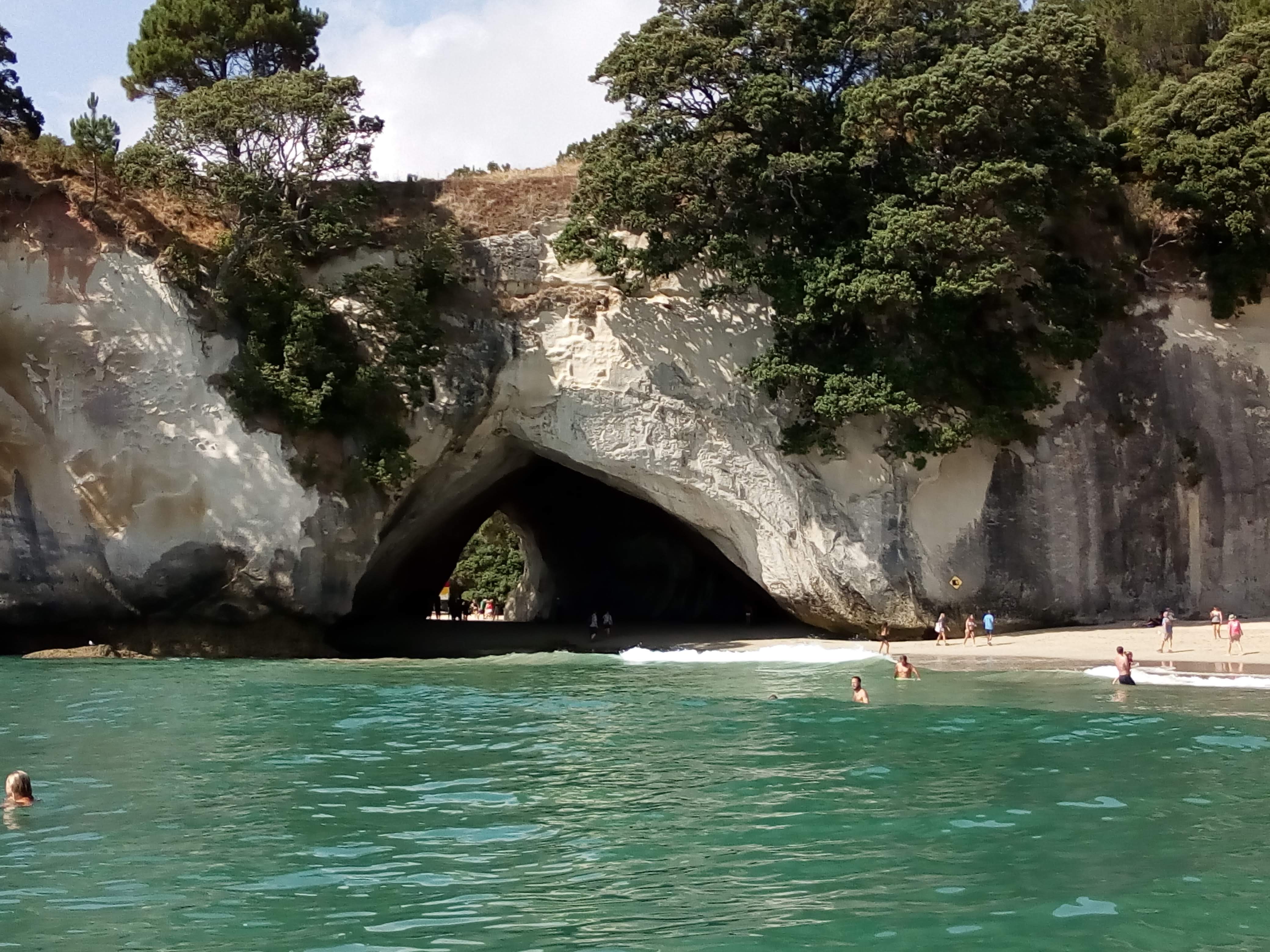
There are several boat tours operating from Whitianga wharf to Cathedral Cove. Some of these also allow you to stop and have a snorkle, but be aware that they do not allow you to disembark from the boat at Cathedral Cove.
There is a Cathedral Cove water taxi which operates from the beach at Hahei, and can drop off/pick up from the beach at Cathedral Cove. But the taxi is very much influenced by the sea conditions, so does not operate some days.
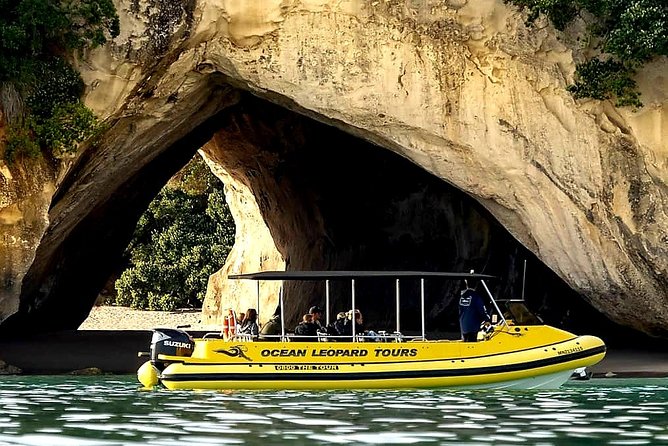
We did the Ocean Leopard tour from Whitianga, and it was fantastic! We stopped along the way at lots of spots for photos, including the stunning Cathedral Cove. I'll never forget seeing it for the first time as we rounded the headland. This is one place that pictures cannot adequately portray. The huge archway, pristine sand, and clear water combine to make this one of the most beautiful places that we've seen.
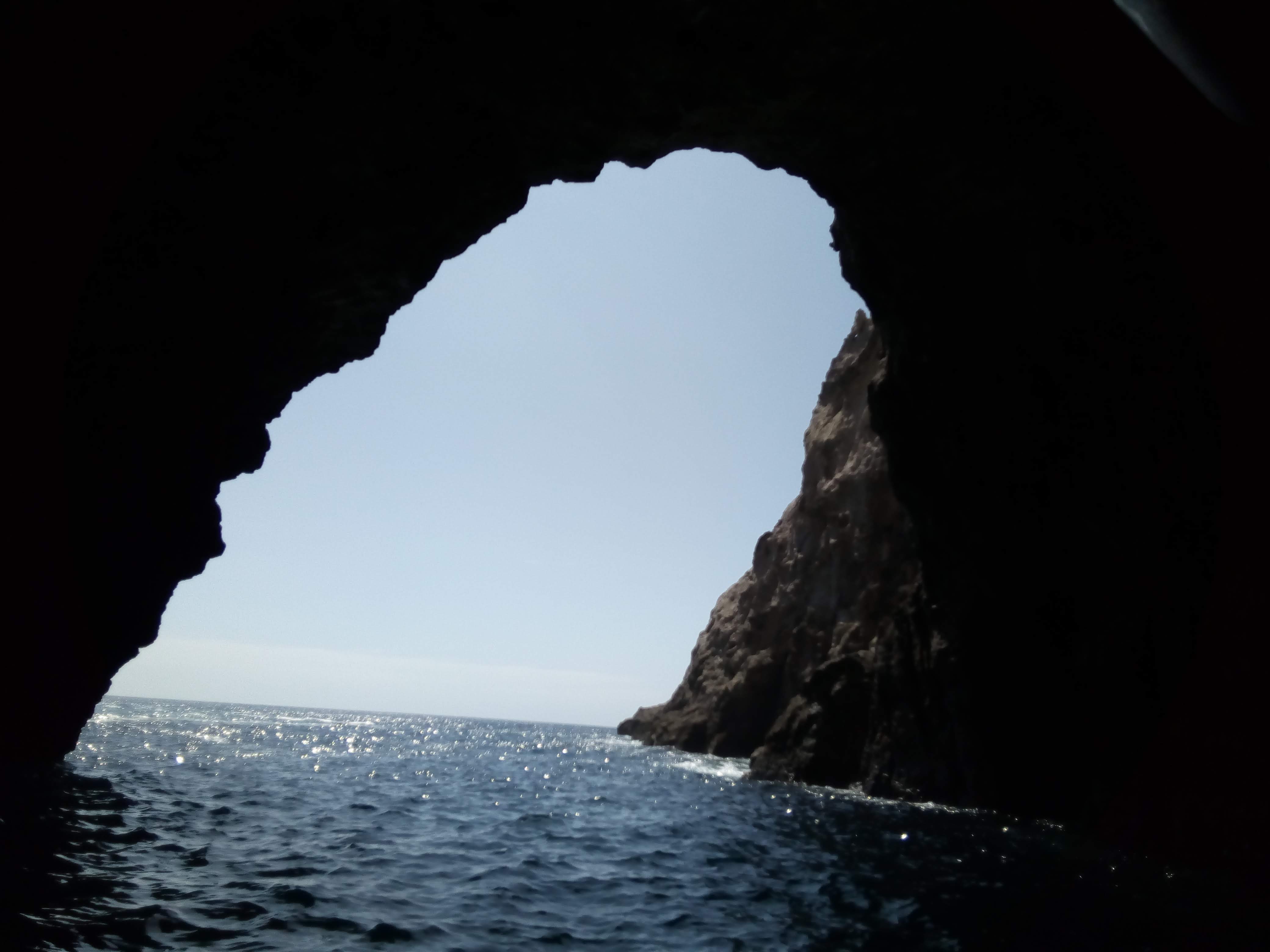
On our tour we also cruised into a huge sea cave, where the water was crystal clear, and we stopped on the return journey for a snorkle, where we were surrounded by a huge school of snapper.
The skipper (Tas) was funny and informative and if you are visiting the Coromandel coast we can highly recommend the tour.
|
You can check out this amazing tour here |
 |
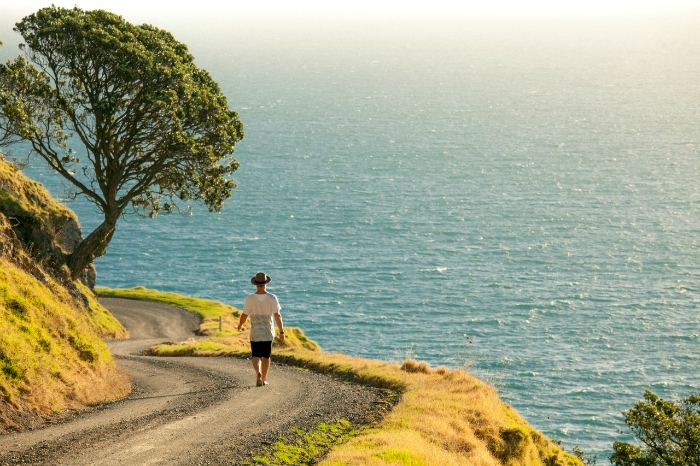
Wonderful views from The Coromandel Coastal Walkway
At the Northern end of the penisula, the Coromandel Coastal Walkway is a favorite with walkers from around the world.
Take your time and explore the bays, beaches and headlands that are frequent features of this beautiful walk.
The walkway runs for ten kilometers between Stony Bay and Fletcher Bay, and takes around 7 hours return.
Getting there
Follow Colville Road from Coromandel Town north to Colville Bay (around 31 kilometers), before taking Port Jackson Road for another 30 kilometres until reaching Fletcher Bay. As an alternative take the Port Charles Road for around twenty kilometers which will take you to Stony Bay.
Here's a few more Coromandel coast favorites of ours
 Cathedral Cove Ultimate Boat Tour |
 Cathedral Cove Glass Bottom Boat Cruise |
 The Lost Spring Geo-Thermal Pools & Spa |
 Coromandel Half Day Fishing Trip |
Coromandel Coast - Heritage
Ancient Maori village sites
along the region's coast are evidence of New Zealand's earliest Polynesian settlement.
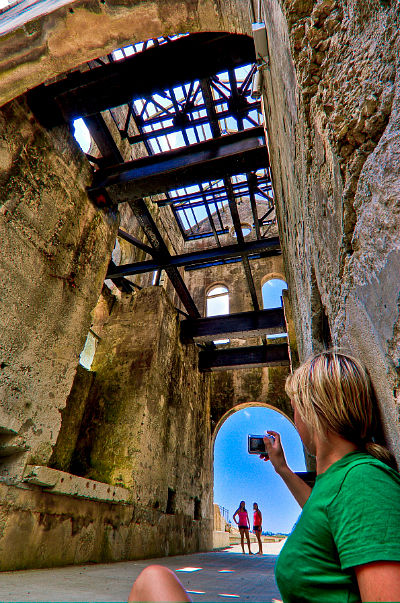
The British explorer Captain Cook visited the region in 1769 to observe the transit of the planet Mercury across the face of the sun.
His mission is commemorated in the names of local beaches such as Mercury Bay and Cook's beach.
Lured by Cook's descriptions of the towering kauri
trees, early European settlers came to mill the forests.
Gold was discovered in the area in the late 1800s, New Zealand's first
recorded gold discovery and gold rush.
The goldfields produced 16 million tonnes of gold ore between 1862 and 1952.
Life was pretty tough for the early settlers and although they lived in a beautiful location, relics such as the Cornish Pumphouse in Waihi give an insight of what it was like in those early days.
It's well worth taking some time to wander around there.
Coromandel Coast - Nature and Wildlife
Various species of unique New Zealand wildlife inhabit the region's coastland and rainforests. And in fact,
several conservation projects for kauri, kiwi and other birds originated in the region, where 34 percent
of the land is under Department of Conservation (DOC) protection.
Tangiaro Kiwi Retreat is nestled in the heart of the Moehau kiwi
sanctuary - one of New Zealand's first kiwi sanctuaries. Visitors can
sit on the deck of a luxurious bush hut at night and listen to kiwi
call.
Te Whanganui a Hei marine reserve is a community-led project off the
Hahei coastline and iconic Cathedral Cove. This area has been a no-take
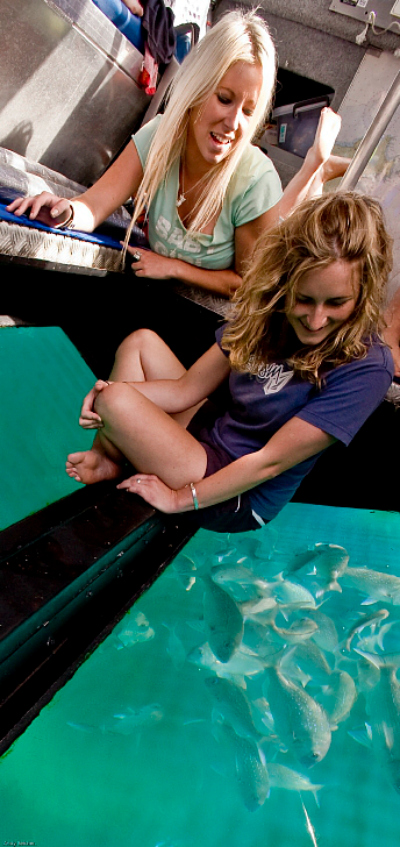
zone for 20 years and marine life is thriving. Glass bottom boats reveal
many types of marine life including fish, seals, crayfish (lobster),
stingrays, blue penguins, dolphins and orca.
There are various companies that operate tours and kayak hire - you can see details at the link above.
Coromandel Coast - Seasonal Highlights
The sunny climate makes the region a year-round holiday destination for
visitors.
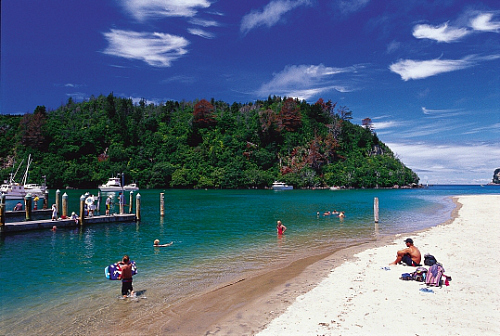
In summer, Kiwis flock to the region to stay in baches
(holiday homes) and camping grounds but
throughout the year there are also regular events and festivals that offer visitors a chance to indulge in the local way of life and environment.
The Coromandel Pohutukawa Festival is a celebration of New Zealand's
native 'Christmas' tree and its symbolic ties to New Zealand beach
culture.
Held in late spring to coincide with the trees' flowering, the
region-wide month-long festival hosts art exhibitions, café crawls, dive
events and open-air concerts.
In winter, the region celebrates the scallop harvest at the Whitianga
Scallop Festival. This large outdoor food festival combines local food,
wine, entertainment and family activities.
If you have a taste for fine seafood this event is highly recommended.
And There Is Lots More To Do On The Coromandel Coast
Here are a few of the many things to do in the region:
* Visit the
Driving Creek Railway
and potteries. The train journey takes you through native rainforest and offers stunning views of the Hauraki Gulf.
* Take a trip to the secluded New Chum beach, voted one of the world's top 10 beaches!
* The beautiful Cathedral Cove area is a water lovers paradise. Take a
scenic boat tour, or immerse yourself in the clear waters with a
kayaking, snorkelling or diving adventure.
* For a bird's eye view of the region, why not take a scenic helicopter flight?
* See the underwater delights with a glass bottom boat tour of the Te Whanganui A Hei Marine Reserve.
* If fishing is your thing, guided ocean and fly fishing trips are available.
Here's one to check out.
* For the ultimate view of the region, take a tandem skydive.
* How about a trip to local art and craft galleries? The region is home to thousands of
artists
.
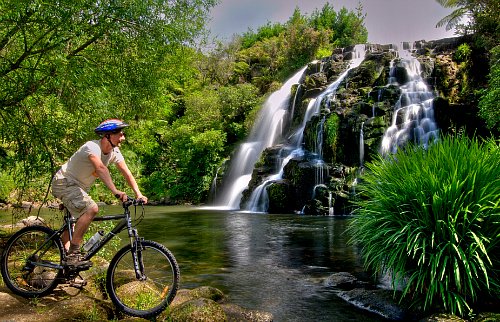
* Visit the Rapaura Watergardens, around twenty minutes north of Thames. Stroll around the sixty acre gardens which include meandering streams, lilly ponds, a cascading waterfall and local art. There's also an on-site cafe and gift shop.
* Relax after a hard day at Whitianga's The Lost Resort. Soak away your cares in their thermal pools.
* Several local museums feature displays detailing the rich history of the region.
* Fancy a game of golf? There are numerous courses including the championship Lakes Resort course.
Enjoy!
Some Interesting Things About The Region
* Thames (current pop: 7000) - gateway to the Coromandel Peninsula - was
once New Zealand's biggest town, boasted more than 100 pubs, and was
proposed as the country's capital city.
* Thames colonial architecture goes back to its gold mining heritage.
* Coromandel's name has an Indian origin. HMS Coromandel - the first
European ship to bring settlers to the region - was named after India's
'Coromandel Coast'.
* Foodies consumed more than 100,000 scallops in one day at the 2008 Whitianga Scallop Festival.
Accommodation
Use our search box, or just follow the links to view a wide range of Coromandel accommodation.
For accommodation in Thames click here.
For accommodation in Whitianga click here.
For accommodation in Coromandel town click here.
For accommodation in Whangamata click here.
One of our favorites
Click here to read about one of our favorite spots to stay in the Coromandel Coast.
Glamping it up in the Coro
Glamping is growing in popularity. For some great Coromandel glamping options click here.
Our recommendation
On our last visit to the Coromandel coast we stayed at Whitianga for a few days.
When time allows we choose self contained apartments, as they allow more room to stretch out, have full kitchens and laundry facilities.
And of course location, price,and views are always important to us.
So, we had three nights at the Crow's Nest apartments in Whitianga.
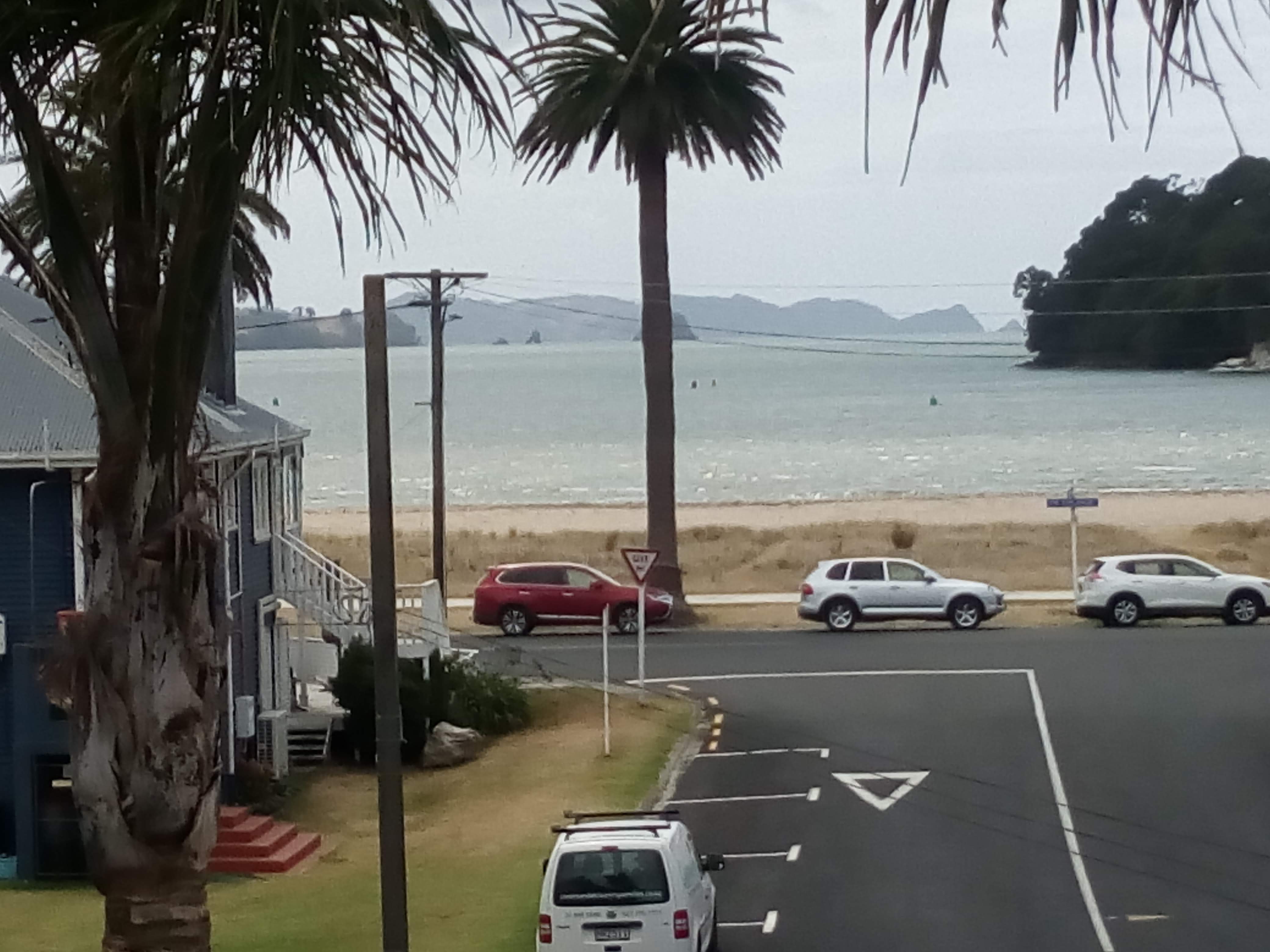
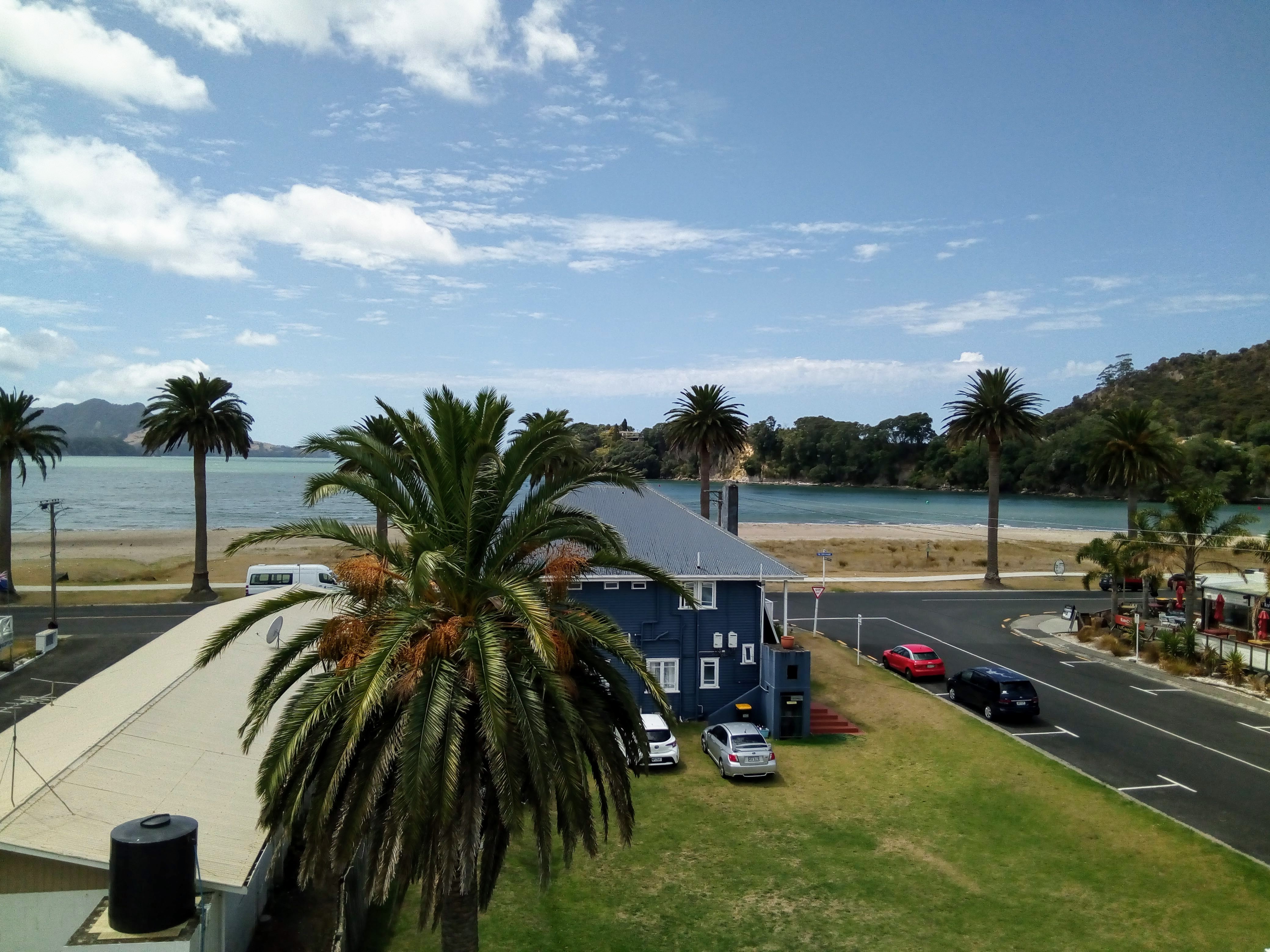
Located a stone's throw from the waterfront, and a three minute walk from Whitianga's shops, the Crow's Nest proved to be a perfect location.
We went with some friends so we chose a two bedroom, two bathroom apartment, which also featured a decent size covered balcony, where we relaxed for meals, taking in the views of the bay. The apartments also have undercover car parking.
There is also a large roof top terrace (the "Crow's Nest") with tables and chairs, which has even better views of the bay.
We can highly recommend Crow's Nest Whitianga. If you would like to learn more, read reviews, or make a booking, you can do that by clicking here.
Tip - if you like fish and chips, try the Buffalo Beach Takeaway, which is located around the corner from Crow's Nest. The Snapper and chips are to die for! And if you are still hungry, try the fried scallops. Yum!!
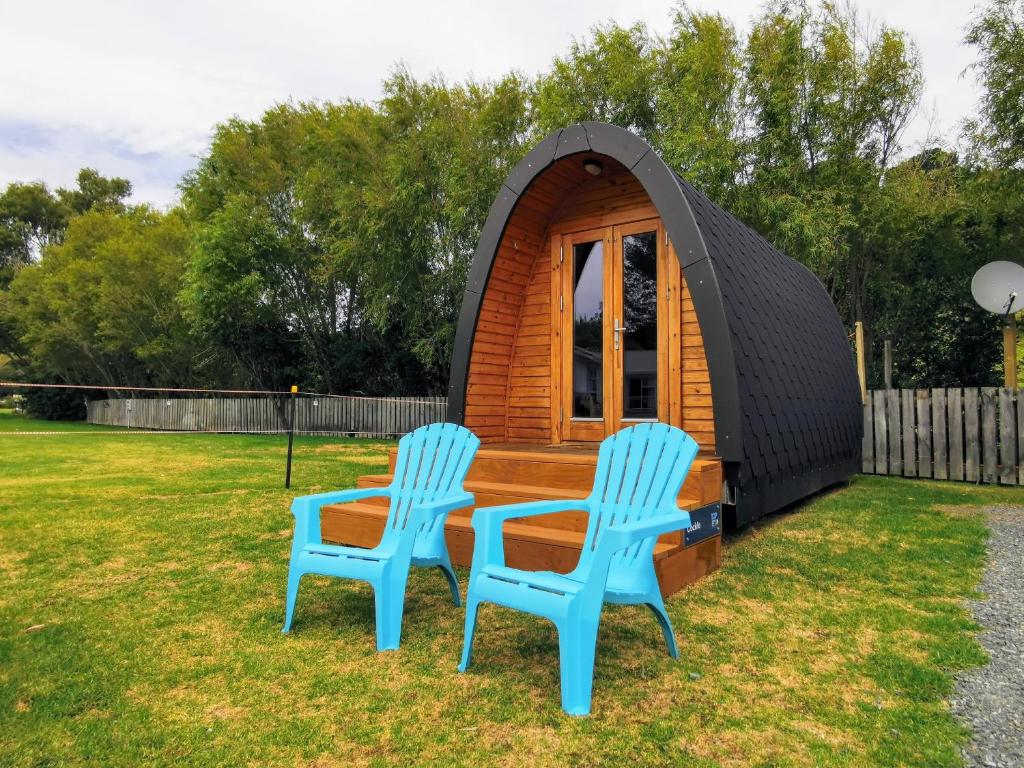
Glamping it up on the Coromandel Coast
Glamping is becoming more common in our beautiful country. But getting close to nature doesn't mean that you have to "rough it".
Here's a couple of our most popular glamping options:
Shelly Beach Top 10 Holiday Park
Address: 243 Colville Rd Coromandel Town
Great facilities and an excellent sea front location.
Check out their unique pods. No need to go without life's luxuries here.
We recommend a sea view pod. You can't beat those amazing views.
Click here for more information.
Slipper Island Resort
Address: Slipper Island Tairua Town, 3579 Slipper Island
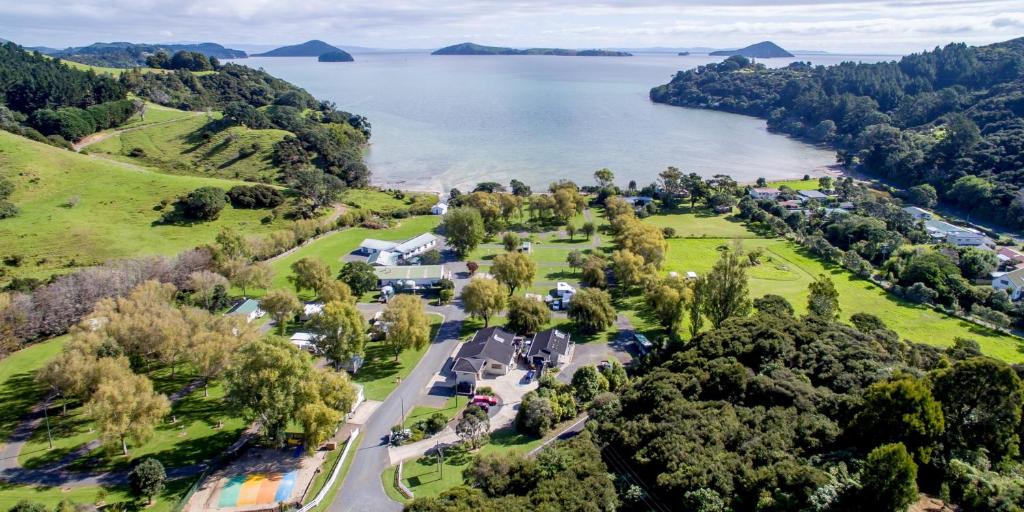
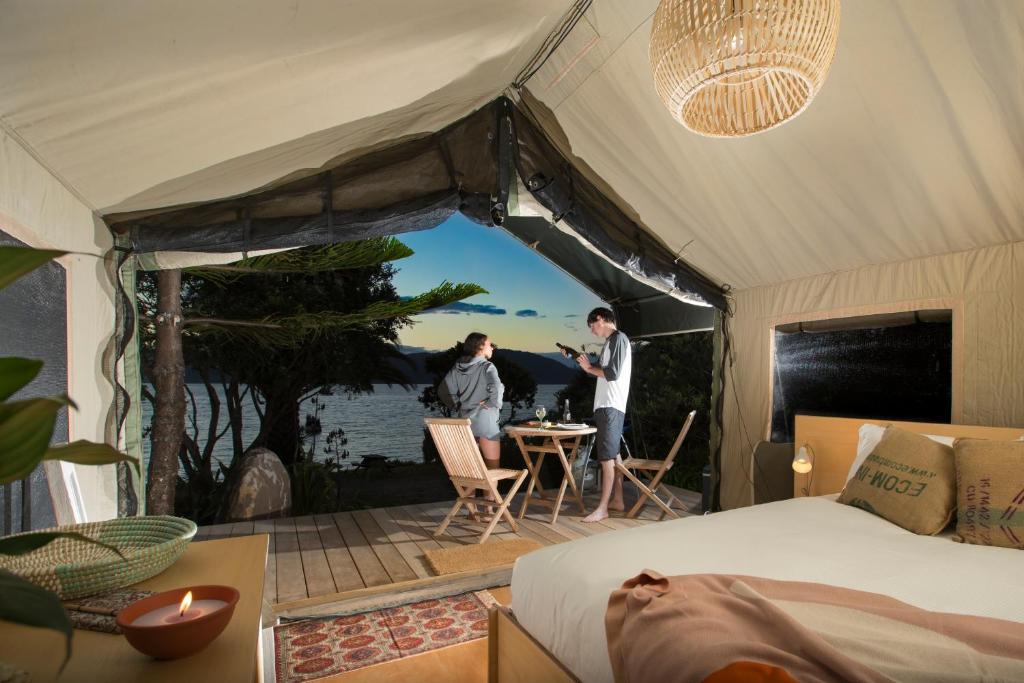
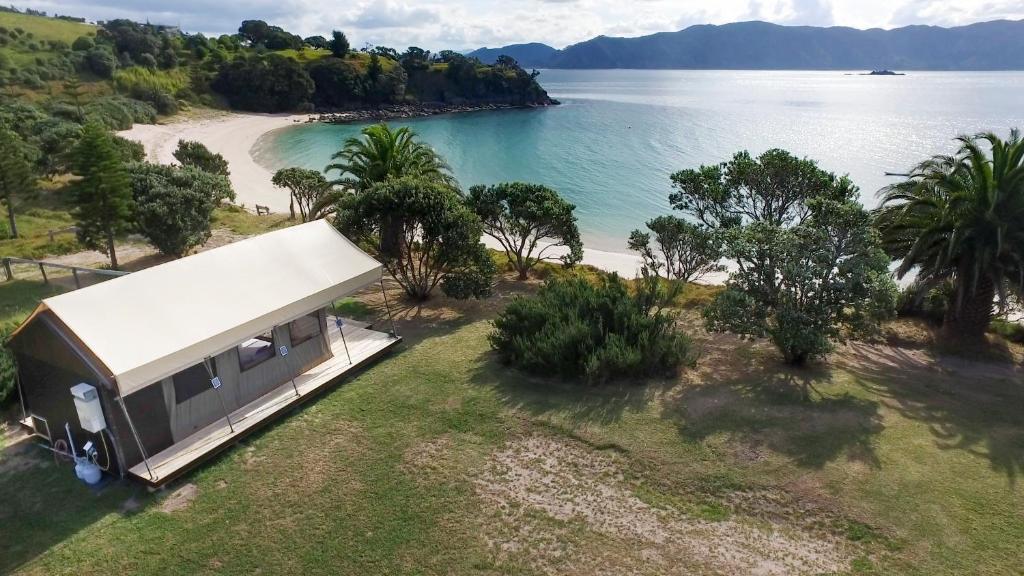
Welcome to your own island. Located just off Tairua Town, this eco resort offers glamping and chalet options.
You can even rent out the entire resort for those special reunions with family and friends.
A perfect getaway for those special times.
You can read reviews and learn more about Slipper Island Resort here.
Free PDF Guides
Download our free PDF Guides courtesy Destination Coromandel






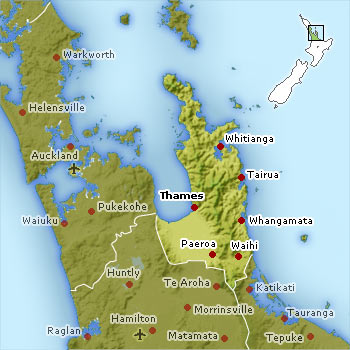
Maps


Detailed map download
Click here for a map of the region. Please wait while it loads
Visit the Tourism New Zealand website for more information on the Coromandel Coast.

